
A new global ocean rulebook has officially kicked in, and it targets the biggest gap in marine conservation: the high seas.
The High Seas Treaty, formally known as the Biodiversity Beyond National Jurisdiction Agreement (BBNJ), has now entered into force after being ratified by more than 60 countries. That milestone matters because international waters cover nearly two-thirds of the ocean and close to half the planet’s surface, and until now, protection out there has been patchy, piecemeal, and often voluntary.
The treaty doesn’t magically “save the ocean” overnight. But it finally creates a working framework to protect marine life beyond national borders, including remote ecosystems divers rarely see but depend on, and the migratory highways used by many of the ocean’s most iconic species.
sdm quick take
- The High Seas Treaty is now legally active after 60+ ratifications.
- It creates a pathway to establish marine protected areas in international waters.
- It introduces environmental impact assessments for potentially damaging offshore activities.
- It supports the global 30×30 Ocean Protection Target – protecting 30% of the ocean by 2030 – though enforcement will determine real impact.
- Divers could see long-term benefits in pelagic corridors, seamount ecosystems, and deep-water habitats.
Why the high seas have been so hard to protect
Inside a country’s Exclusive Economic Zone (EEZ), governments can set rules: fishing limits, marine parks, shipping lanes, and enforcement.
Beyond those borders, governance becomes complicated. The high seas have historically been managed through a patchwork of different international bodies, some overseeing fisheries, others shipping, and others seabed activity. The result has been fragmented oversight across an enormous part of the ocean.
Yet these waters are far from empty. They include ecologically important features such as seamount chains, deep-water coral gardens, and nutrient-rich zones that support entire food webs.
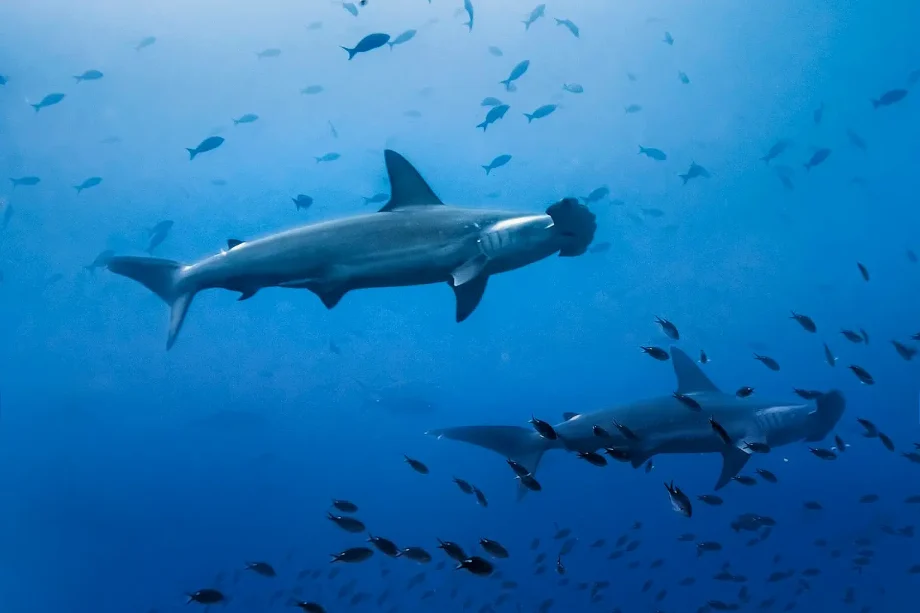
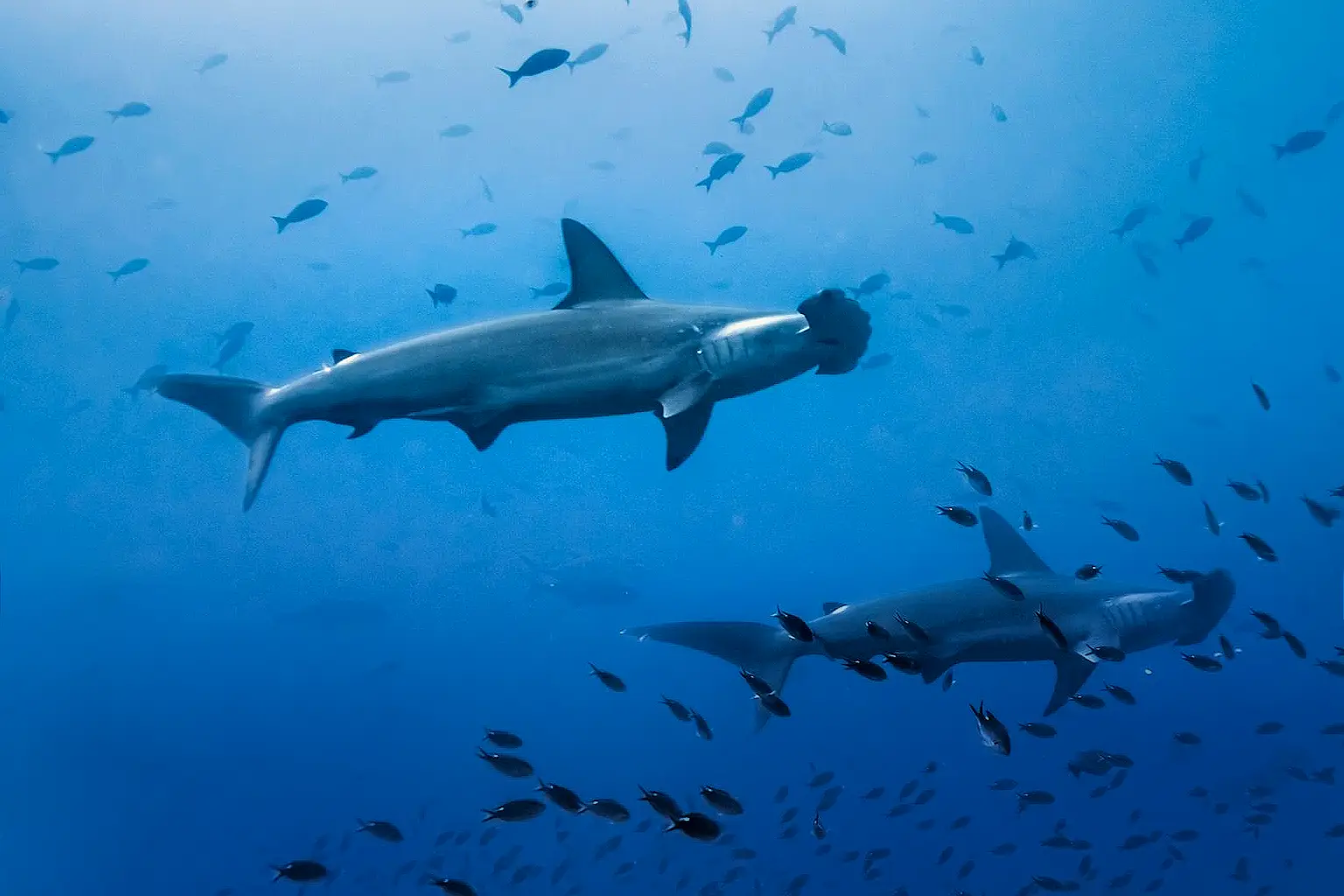
These areas also form major migration routes for large marine animals, including whale, shark, and fast-moving pelagic fish like tuna, linking distant ecosystems across entire ocean basins.
Without coordinated protection, these species and habitats have remained vulnerable to cumulative pressures ranging from industrial fishing to pollution and future resource extraction.
What the treaty actually does (and doesn’t)
At its core, the treaty creates the first comprehensive framework for conservation in areas beyond national jurisdiction.
A system to create high seas marine protected areas
For the first time, countries have a formal mechanism to propose, negotiate, and designate marine protected areas (MPAs) in international waters.
Previously, protecting these areas was extremely difficult because no single country had the authority to establish protections on its own. The treaty introduces a structured international process that could ultimately lead to recognised high-seas conservation zones.
Turning ecological “wish lists” into legally recognised protected areas is a significant shift for ocean governance.
Environmental impact assessments for risky activities
The treaty also introduces environmental impact assessment requirements for activities that could harm marine ecosystems in the high seas.
This step matters because pressure offshore extends far beyond fishing. Activities such as industrial expansion, pollution, and resource exploration can all affect fragile habitats, especially in remote regions where monitoring has historically been limited.
The agreement aims to ensure that potentially damaging activities undergo scientific evaluation before moving ahead.
Rules for marine genetic resources
Another major component involves marine genetic resources, biological material found in ocean organisms that can have scientific or commercial value in biotechnology, medicine, or research.
The treaty sets out mechanisms to manage how these resources are accessed and how benefits may be shared. The goal is to support scientific research while avoiding conflicts over who profits from discoveries made in international waters.
What the treaty does not do
The agreement does not automatically create protected areas or enforce them on its own.
Instead, the next phase depends on countries proposing specific conservation zones, negotiating the rules within them, and enforcing those measures through national fleets, satellite monitoring, and international cooperation.
In short, the framework now exists, but implementation will determine how effective it becomes.
The “30 by 30” connection: ambition meets reality
The treaty plays a central role in the global ambition to protect 30% of the world’s oceans by 2030, often referred to as 30×30.
Reaching that target without the high seas was always unrealistic. With such a large portion of the ocean lying beyond national jurisdiction, any meaningful conservation strategy needed a global mechanism to designate offshore protected areas.
The High Seas Treaty provides that mechanism.
But timelines are tight. Even with the legal framework in place, negotiations around specific protected areas, and the rules that govern them, can take years. The speed and ambition of these decisions will ultimately determine whether the 30×30 goal is achievable.
What this means for divers
Most divers will never enter true high seas dive sites. These locations are often extremely remote, technically demanding, and expensive to reach.
Even so, the treaty could influence the diving world in several important ways.
Healthier pelagic encounters over time
Many of the species divers love to see, including sharks and whales, spend large parts of their lives in international waters. Protecting feeding grounds and migration corridors could help support populations that later appear near coastlines and island dive destinations.
Healthy offshore ecosystems often translate into healthier coastal ecosystems over the long term.
Protection for seamounts and offshore hotspots
Future conservation proposals are expected to focus on ecologically important offshore features such as seamounts, spawning areas, feeding grounds, and migration corridors.
These areas function as biological hotspots, concentrating marine life in otherwise vast stretches of ocean. Protecting them could help maintain biodiversity and stabilise marine food webs across wider regions.
Possible changes for expedition diving
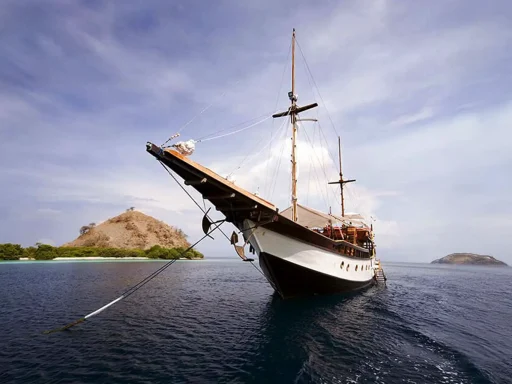
For expedition-style dive operations, including remote liveaboards, new high-seas protected areas could eventually introduce restrictions or management rules in certain locations.
Operators may need to adjust routes, activities, or environmental practices depending on how future MPAs are structured.
While that could add complexity, clear regulations may also help responsible operators demonstrate best practice and maintain access to sensitive ecosystems.
More science, more oversight
Environmental impact assessments and genetic-resource rules both signal a broader shift toward greater scientific oversight of offshore activities.
For divers interested in exploration and discovery, that trend may bring more research partnerships, improved mapping of remote ecosystems, and better understanding of ocean habitats that remain largely unexplored.
What happens next
The treaty entering into force is the beginning of a long implementation process.
Over the coming years, countries will debate which areas should receive protection, how strict those protections should be, and how compliance will be monitored and enforced.
If nations cooperate and follow through, the High Seas Treaty could enable the largest expansion of ocean protection ever attempted, particularly in remote ecosystems that have historically fallen outside national responsibility.
Whether that promise becomes reality will depend on how quickly the framework turns into real protections on the water.
sdm. knowledge
The High Seas Treaty — formally the Biodiversity Beyond National Jurisdiction Agreement — is an international treaty designed to protect marine biodiversity in waters outside national jurisdictions.
The high seas cover nearly two-thirds of the ocean and include key ecosystems such as seamounts, deep-water coral habitats, and migration routes used by sharks, whales, and pelagic fish.
Yes. One of the treaty’s main goals is to establish a global process for designating marine protected areas in international waters.
No. It provides the legal framework, but countries still need to propose, negotiate, and approve specific protected areas before they exist.
Most changes will be indirect. Healthier pelagic populations, better protection of migration routes, and stronger offshore conservation could eventually improve marine life encounters in dive destinations around the world.