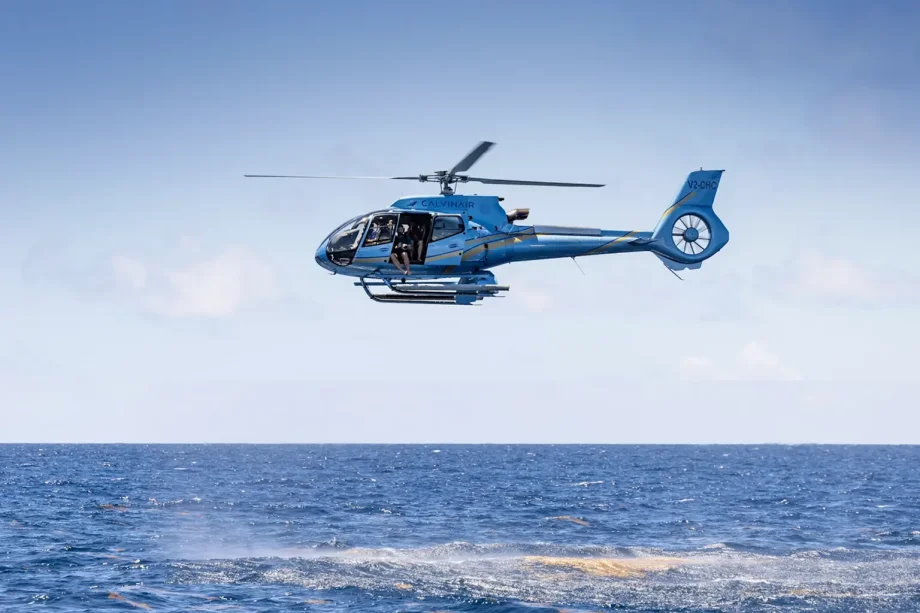
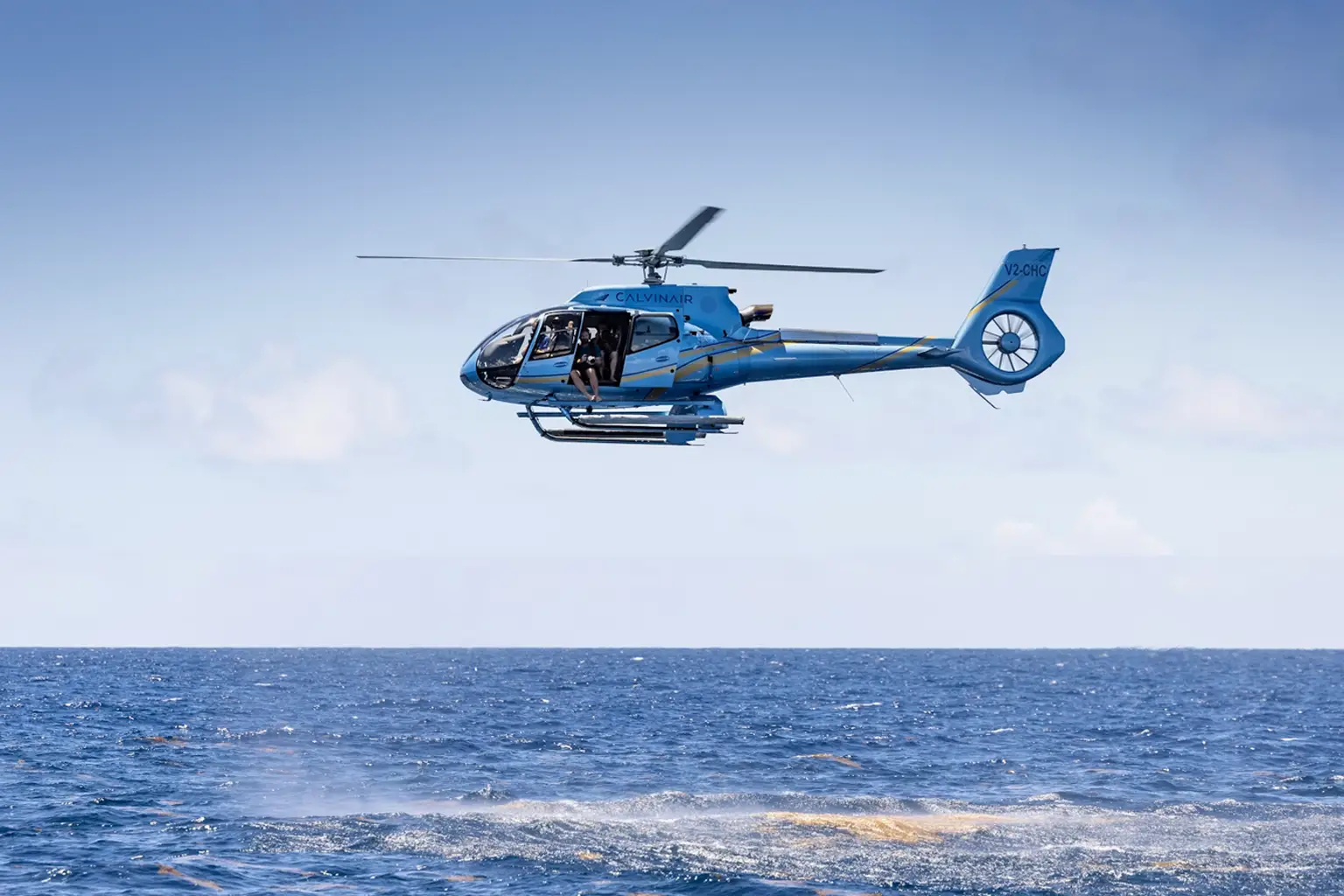

Helicopter-to-ocean drop-offs might look cinematic in a promo reel. In Hawaii, they still fall under the same commercial ocean rules as everyone else.
State regulators have issued a $10,000 fine to an Oahu-based helicopter tour and ocean activity company after it conducted commercial snorkeling and scuba drop-offs in protected North Shore waters without the required authorization.
The incidents took place at some of the island’s most heavily used shore dive and snorkel sites, exactly where enforcement tends to be tightest.
sdm quick take
- A helicopter dive operator was fined $10,000 for unauthorized commercial ocean drop-offs on Oahu’s North Shore
- The events occurred on June 9 and June 19, 2025
- Drop-offs were observed near Shark’s Cove, Three Tables, and Waimea Bay
- The areas fall inside protected management zones where specific permits are required
- The state treated the two dates as separate violations at $5,000 each
What happened on the North Shore
Enforcement officers documented two separate days of activity in June 2025. On both occasions, a helicopter marked with the company name was observed hovering low – reported at roughly 10 feet above the water – before customers entered the ocean.
These were not remote offshore pinnacles. They were near high-traffic, shore-accessible reefs on the North Shore of Oahu, sites frequented daily by swimmers, freedivers, scuba divers, snorkelers, and surfers.
That context matters.
Why these sites aren’t “just another drop zone”
The locations fall within two key regulatory designations:
- Pūpūkea Marine Life Conservation District
- North Shore Ocean Recreation Management Area
Within these zones, commercial activity requires explicit authorization. It’s not a case of holding a general business license or a permit valid elsewhere on the island.
Regulators noted that the operator did hold a commercial use permit for certain waters off Oahu’s south and west shores, but not for the North Shore conservation district where the drop-offs occurred.
In short: permits are geographically specific. Having one does not create blanket coverage.
These protections exist because the North Shore’s reefs are both biologically valuable and heavily used. Entry bottlenecks, shallow reef shelves, surge channels, and seasonal conditions amplify cumulative impact quickly when commercial activity is layered in.
How the fine was structured
The state treated each observed date as its own violation under Hawaiʻi Administrative Rules:
- $5,000 for June 9
- $5,000 for June 19
- $10,000 total, described as the maximum for the two documented offenses
No additional penalties were announced, and it remains unclear whether the company will challenge the fine or adjust its operating model.
Low-altitude hovering more than just a permit issue
Beyond paperwork, regulators flagged the operational setup itself: a helicopter hovering low over nearshore water in a crowded, high-use zone, followed by customer water entry.
That raises two immediate concerns:
- Public safety in mixed-use nearshore areas
- Compliance within a conservation district designed to limit impact and manage density
North Shore conditions are dynamic. Shorebreak, lateral current, surge through lava channels, and shifting sandbars can change within minutes, particularly around reef shelves and entry corridors.
Add air traffic and non-traditional water entry, and complexity increases significantly.
For experienced divers, the takeaway isn’t about novelty. It’s about risk stacking in an already variable environment.
A wider signal to the industry
This case stands out because it isn’t a typical boat charter exceeding capacity or a shore-based guide straying outside a boundary line. It’s an aerial-assisted ocean product, marketed as an exclusive adventure experience.
The state’s position is clear:
Commercial ocean activity is commercial ocean activity, regardless of how clients reach the water.
For operators experimenting with premium logistics, helicopter transfers, private access drops, bespoke “no-boat” itineraries, the regulatory lens does not soften simply because the product is innovative.
If anything, operating inside high-profile conservation districts invites closer scrutiny.
What this means for divers booking premium experiences
If you’re considering guided dives, snorkel tours, or “VIP” ocean packages in Hawaii, particularly anything unconventional, build compliance checks into your booking process.
Practical steps:
- Ask where the operator is permitted to run. A permit for one coastline does not automatically apply to another.
- Request specific site names. “North Shore” is not a site plan. Boundaries matter.
- Understand the entry method. If it involves hovering aircraft, rapid entries, or busy nearshore zones, ask how separation from other ocean users is managed.
- Choose operators who are transparent about permits. Legitimate outfits can clearly explain where they are authorized to operate.
- Factor in disruption risk. If enforcement action occurs, your activity may be cancelled with little notice.
For local divers, this reinforces an old truth: the North Shore isn’t just iconic, it’s regulated. Those rules exist to keep reefs and access points viable long term.
Safety note
Helicopter-assisted entries introduce additional variables: aircraft proximity, surface support logistics, crowd density, and changing conditions. If considering any non-standard entry method, ensure there is a clearly defined safety plan, surface monitoring, and an abort option. If anything feels unclear or rushed, opting for a conventional, well-supported dive is often the smarter call.
The company conducted commercial snorkeling and scuba drop-offs in protected North Shore waters without the required permit authorization.
The total fine was $10,000, with $5,000 issued for each documented violation on June 9 and June 19, 2025.
Near Shark’s Cove, Three Tables, and Waimea Bay on Oahu’s North Shore.
The activities occurred within the Pūpūkea Marine Life Conservation District and the North Shore Ocean Recreation Management Area.
No. Commercial ocean permits in Hawaii are geographically specific and do not automatically apply to other districts.