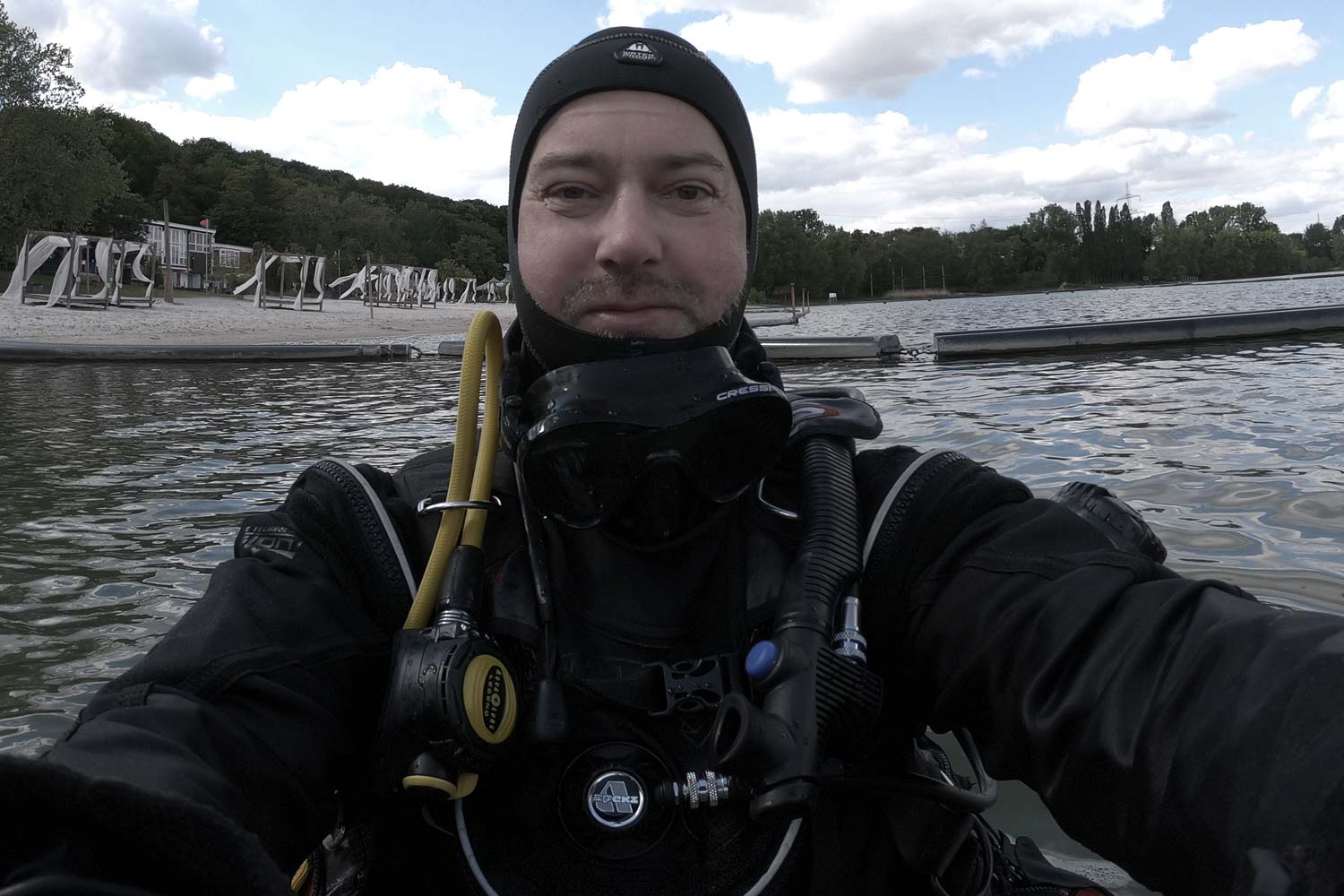

I’ll openly admit, the first 20 years of my diving adventures were in warm water. Yes, you heard me right – 20 years, no cold water.
This is unusual for a guy originally from the UK, I know. But in all honesty, during those 20 years, my coldest dives where 18°C at the spectacular Anhumas Abyss, near to Bonito, in the Brazilian Pantanal. And another, a rather forgetful dive, just off Manly Beach in Sydney, clocking in at a ‘cool’ 15°C.
For both of these ‘cold’ dives, I used a 5mm semi-dry and was pretty much a popsicle at the end.
If we ignore those two dives, there’s another 1000+ logged dives in places like Thailand, Egypt, Maldives, Indonesia, the Philippines, Fiji, Belize, Mexico, Malaysia… the list goes on… all destinations with water temperatures usually well above 22°C.
I can almost hear the jeers of my European cold water compatriots – “that’s not proper diving!” and “you haven’t got any real experience if you’ve only ever dived in warm water!”.
Yeah, okay. However, like many others, I’ve done caves, wrecks, mixed gasses, staged deco, twin tanks, side mount, rebreather. Experience, I my humble opinion, is not really lacking. It’s just each to their own, right?… love diving, hate the cold.
So why now, after so many years of happy warm water diving, write an article about the benefits of drysuit diving? Well, because I still don’t like the cold…. but I love diving.
For one, the fact that I have now settled in Germany hasn’t left me with many options. Furthermore, my ‘thanks, but no thanks’ attitude has closed the door to many new experiences. Experiences I’ve only discovered an interest in within the past few years. An interest in CCR diving, for example, has led to an interest in mine diving. Or rather, I’m fascinated by the thought of diving in abandoned mines. I’ve still haven’t done it.
While wetsuits are great for warm water dives, they can leave you shivering in colder environments like caves and mines. And that’s where drysuits come in, offering a whole new level of warmth, and freedom, for underwater exploration.
At this point, I probably need to say: if you’re already an experienced drysuit diver, you might find the rest pretty boring.
The benefits of drysuit diving
So, for people like me, the biggest benefit of a drysuit is undeniable: thermal comfort. Warmth underwater. Unlike a wetsuit that traps a thin layer of water to insulate you, a drysuit keeps you completely dry. You can wear layers of thermals underneath – woohoo! – , allowing you to dive in frigid waters for extended periods. Enjoy more freedom to explore shipwrecks in the North Atlantic or marvel at the kelp forests off California, all while staying toasty.
Drysuits can extend your diving season dramatically. But they aren’t just for cold water. They’re also great for dives in contaminated or polluted water, providing a protective barrier against hazards.
When to Make the Switch
Water temperature is the key factor when deciding between a wetsuit and a drysuit. Generally, most divers switch to drysuits when the water dips below 12-15°C (54°F). If you start feeling excessively cold in a wetsuit, even in slightly warmer water, a drysuit might be a wise investment.
How Does a Drysuit Work?
Imagine a drysuit as a waterproof shell. It’s made of tough, watertight materials like neoprene or trilaminate. The suit seals around your neck, wrists, and ankles with latex or neoprene gaskets. Air trapped inside the suit provides insulation, and you can inflate and deflate it using inlet and exhaust valves to control buoyancy underwater.
Dry vs. Wet: The Temperature Threshold
The decision to switch from a wetsuit to a drysuit depends on individual tolerance. Some divers feel comfortable in a wetsuit down to 16°C (60°F), while others prefer the warmth of a drysuit in waters as high as 18°C (64°F).
What to Expect
Drysuit diving comes with a few adjustments. You’ll need to practice proper weighting and air management during your drysuit diving course, as the air in your drysuit affects buoyancy. Inflating and deflating your drysuit becomes part of your dive routine, and drysuits are generally thicker and less flexible than wetsuits. This might take some getting used to in terms of movement and buoyancy control.
Choosing the Right Drysuit
With various drysuit options available, here are some key factors to consider:
- Material: Neoprene drysuits are comfortable and flexible, but less durable. Trilaminate drysuits are tougher and lighter, but require more care.
- Features: Consider pockets, different zipper placements (front or back entry), and built-in booties or socks.
- Fit: A good drysuit should fit snugly but allow for comfortable movement. Getting properly measured is crucial.
The Two Main Drysuit Types
- Neoprene Drysuits: Stretchy and warm, ideal for travel and recreational diving.
- Trilaminate Drysuits: Lighter, more durable, and better for technical diving or frequent use.
Considerations When Buying
- Cost: Drysuits are a significant investment, so set a budget and research different brands and models.
- Durability: Consider how often you’ll use the suit and the diving conditions you’ll encounter.
- Brand and Warranty: Choose a reputable brand with a good warranty on materials and workmanship.
Drysuit diving opens up a whole new world of underwater exploration. By staying warm and comfortable, you can extend your diving season and experience the magic of the deep, no matter the water temperature. So, take the plunge and explore the exciting world of drysuit diving!