
Aggressor Adventures has confirmed a significant fleet update in Egypt, with its Red Sea liveaboard program transitioning to a new five-deck vessel from 28 February 2026.
The move positions the Red Sea Aggressor operation firmly within the ongoing modernization of the Egypt liveaboard fleet, where newer hulls, increased onboard space, and controlled guest numbers are becoming key differentiators for 2026 bookings.
For divers researching Red Sea liveaboard trips in 2026, the headline is clear: the diving format remains consistent, but the platform changes. The new vessel introduces expanded common areas, updated cabin configurations, and a 26-guest capacity cap, aligning the product with current expectations in the upper-mid Red Sea market.
In a region where boat condition, layout efficiency, and onboard comfort increasingly influence booking decisions alongside itinerary quality, this fleet refresh represents a strategic upgrade rather than a reinvention of the Red Sea diving experience.
sdm quick take:
- A new, larger vessel from 28 February 2026
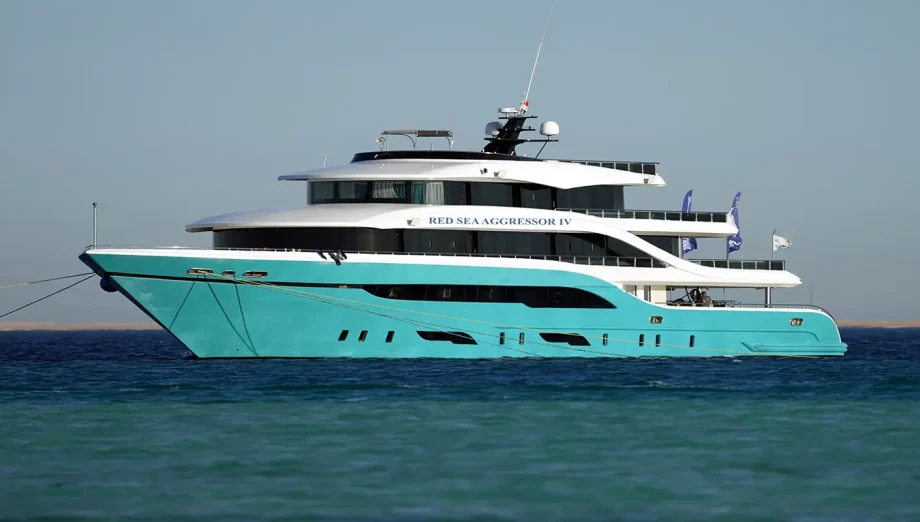
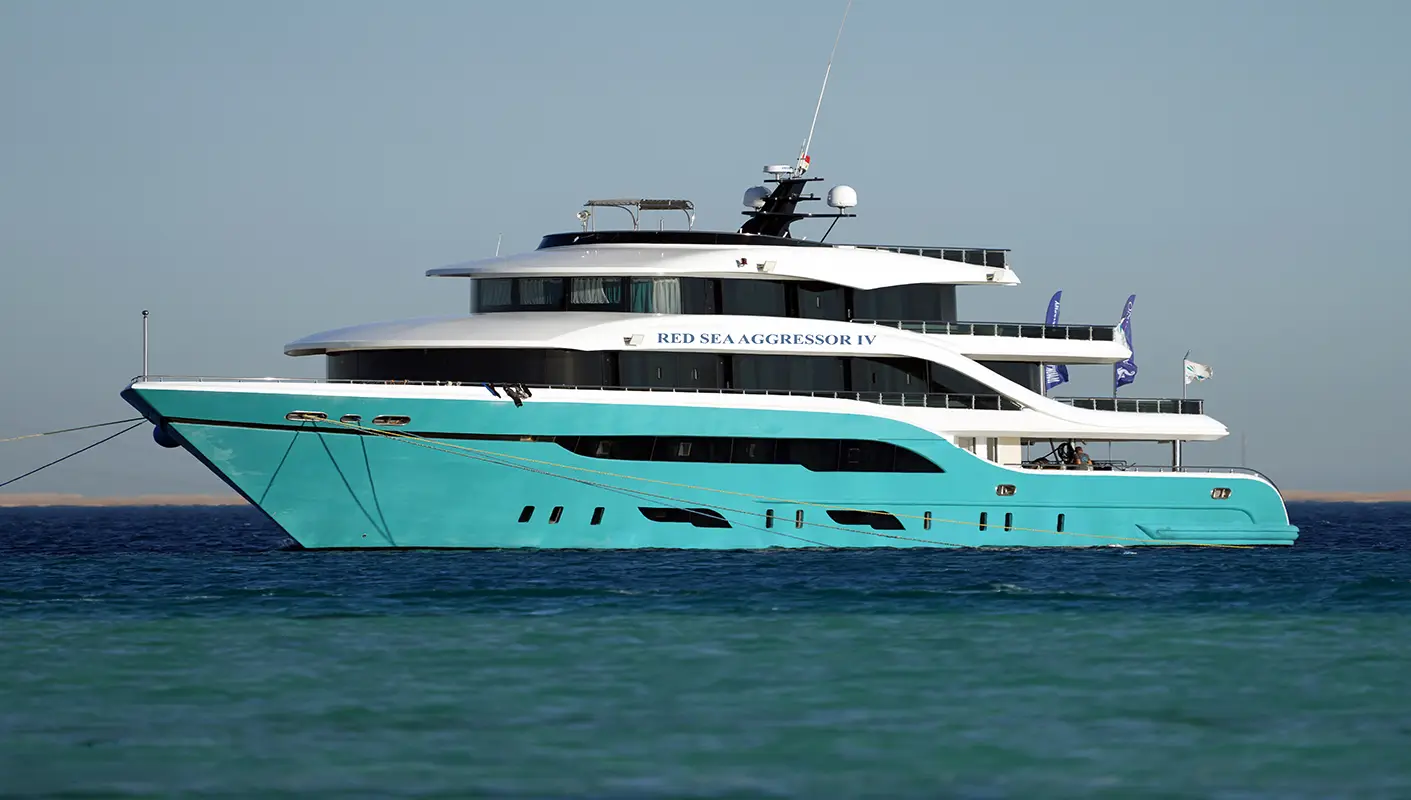
- Modern five-deck yacht, turquoise exterior
- More space across cabins and shared areas
- Guest cap at 26
- 4 master staterooms (queen), 9 deluxe (side-by-side)
So, what’s changing and what isn’t?
From 28 February 2026, trips will operate on a new vessel replacing the current Red Sea Aggressor IV platform.
Currently, there’s no signal of itinerary reinvention. This is not a pivot in route philosophy or a complete repositioning of the Red Sea product. It’s a platform refresh.
sdm editorial view:
This is definitely the right call.
The Red Sea remains one of the most established liveaboard markets globally. Divers booking here are not looking for novelty. They’re looking for reliability, site access, operational competence and above all, safety. Upgrading the vessel while maintaining the core dive product is a conservative, commercially sensible move.
Five decks: more important than just a marketing quote
The new yacht is described as a ‘modern five-deck vessel ‘with a distinctive turquoise exterior. The five decks matter less for the aesthetics and marketing efforts, and more for separation:
- Operational dive deck flow
- Quiet sleeping areas
- Social/dining zones
- Sun deck and decompression downtime
An unfortunate industry reality:
On many fully booked Red Sea itineraries, congestion (and not diving quality) is often the friction point. Poor layout and little space amplifies fatigue by midweek.
If the additional deck space genuinely reduces bottlenecks at kitting-up stations and camera tables, that’s stops being just a cosmetic change. It directly improves trip quality.
The 26-guest cap: the real story
The most meaningful detail however may not be the colour of the hull or the number of decks, it’s the 26-guest limit. In today’s Red Sea market, capacity creep has been real. Larger hulls often mean larger headcounts.
Holding at 26 suggests restraint. In all honesty, that number isn’t ’boutique’-small, but it’s controlled and considered (assuming crew ratios and dive deck space scale properly).
Editorially, this is where the upgrade either succeeds or becomes cosmetic. A larger boat without disciplined capacity management doesn’t improve experience. A larger boat with the same headcount can.
Cabins: practical, but not flashy
The new Red Sea Aggressor layout includes:
- Four master staterooms (queen beds)
- Nine deluxe staterooms (side-by-side beds)
No over-engineered luxury pitch. Just a functional configuration that reflects how divers actually travel: couples and buddy teams.
sdm opinion:
Side-by-side beds remain underrated in liveaboard dive travel – even for couples travelling and diving together. After four repetitive days, sleep quality is performance-critical. Including more of these types of cabin isn’t just unnecessary lifestyle marketing, it’s about operational comfort for their customers.
Comfort upgrades and the surface interval shift
A small but notable detail: there’s apparently a massage chair onboard.
It’s easy to dismiss. And some might prefer a real-life, hands-on massage. But it essentially, it reflects a broader trend – liveaboards increasingly consider the entire week, not just the dives.
Divers are aging up. Disposable income is rising. Expectations around comfort are shifting. The Red Sea industry is modernised accordingly. This move keeps Aggressor aligned with that trajectory.
What this likely means for 2026 bookings
Expect stronger positioning in a competitive area
The Red Sea is crowded with visually modern boats. A refreshed platform prevents stagnation in a region where repeat divers compare vessels closely.
Expect master cabins to sell first
Four queen-bed rooms will go quickly, particularly for couples booking peak season itineraries.
Expect smoother week flow (if layout the execution delivers)
The real test won’t be décor. It will be dive deck rhythm, briefing efficiency, and turnaround between dives. If those improve, divers will notice even if they can’t articulate why.
Bigger picture: this is defensive, not radical
This isn’t a bold repositioning. It’s a fleet renewal. And that’s arguably what the struggling Red Sea market requires right now – incremental improvement, not reinvention.
Aggressor isn’t trying to out-luxury boutique operators or undercut budget fleets. It’s reinforcing its middle-to-upper positioning with modern hardware while maintaining familiar product structure.
For experienced divers, that’s reassuring rather than disruptive.
All in all…
The diving in the Red Sea won’t change. The reefs don’t care what colour the hull is. But onboard environment affects fatigue, flow, and overall satisfaction more than many divers admit.
If the new vessel delivers on spatial design and maintains disciplined guest management at 26, this is a meaningful upgrade, not just a cosmetic one.