

Nikon Z shooters just got a new housing route, and it’s built around a simple promise: keep the shell, swap the camera.
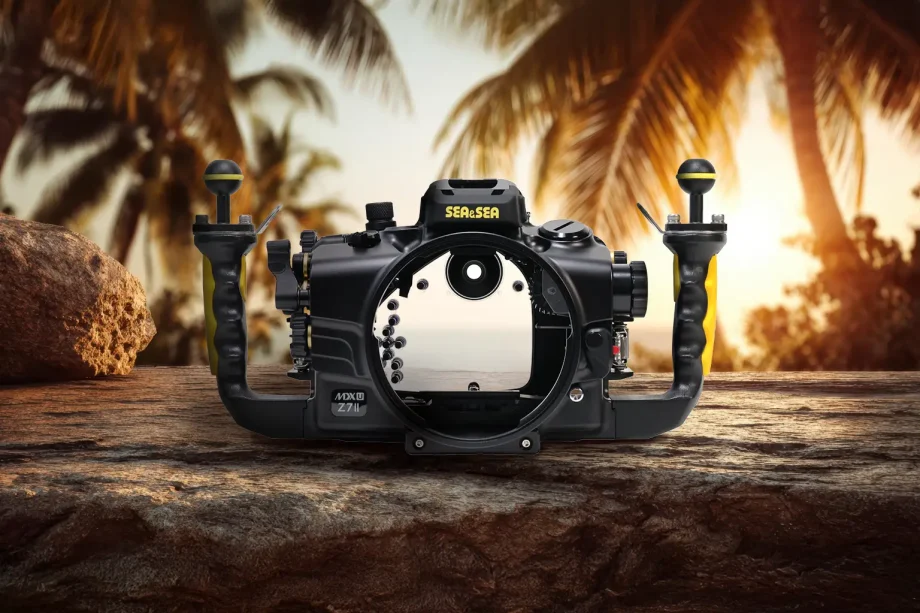
Japanese underwater imaging brand Sea&Sea has introduced a universal underwater housing for full-frame Nikon Z mirrorless cameras, designed to work with multiple camera bodies inside the same external housing.
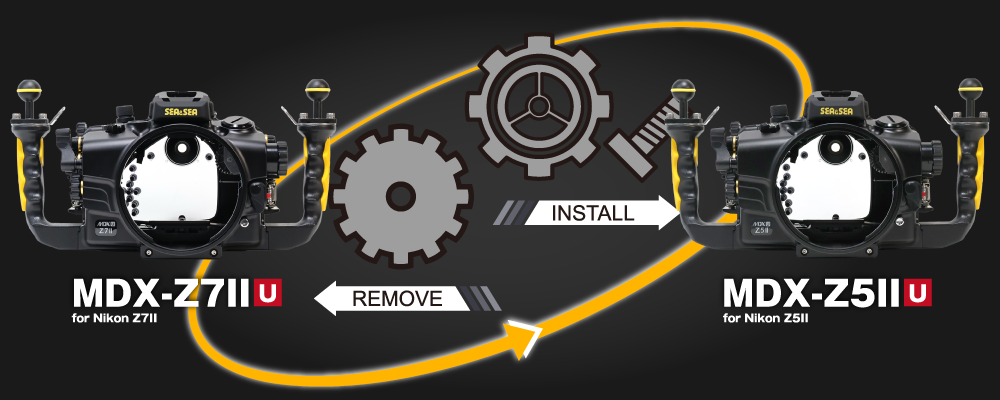
Instead of replacing the housing every time you upgrade cameras, the system allows divers to reconfigure internal components to match different Nikon Z models.
The housing is built on Sea&Sea’s long-running MDX platform, meaning the overall design and ergonomics will already feel familiar to many underwater photographers.
sdm quick facts
The new MDX universal housing lets Nikon Z shooters upgrade camera bodies without replacing their entire underwater housing system.
- One housing body can be configured for several full-frame Nikon Z cameras
- Supported models include Nikon Z5, Nikon Z6 II, and Nikon Z7 II
- Built on Sea&Sea’s established MDX aluminum housing platform
- Supports fiber-optic strobe triggering
- Optional optical converter allows TTL strobe functionality
- Integrated leak detection system
A Housing That Doesn’t Force a Full Rebuild
In underwater photography, the housing is often the most expensive single component of a camera system.
Ports, arms, strobes, and trays can usually move between setups. But housings are normally tied to one specific camera body, which makes upgrades costly.
Sea&Sea’s universal housing concept aims to reduce that friction.
The external housing remains the same, while internal configuration changes allow different Nikon Z cameras to fit inside.
This approach means divers can upgrade bodies as autofocus systems, video features, and sensors improve, without replacing the entire housing shell.
For photographers who upgrade cameras every few years, that could represent a significant long-term cost saving.
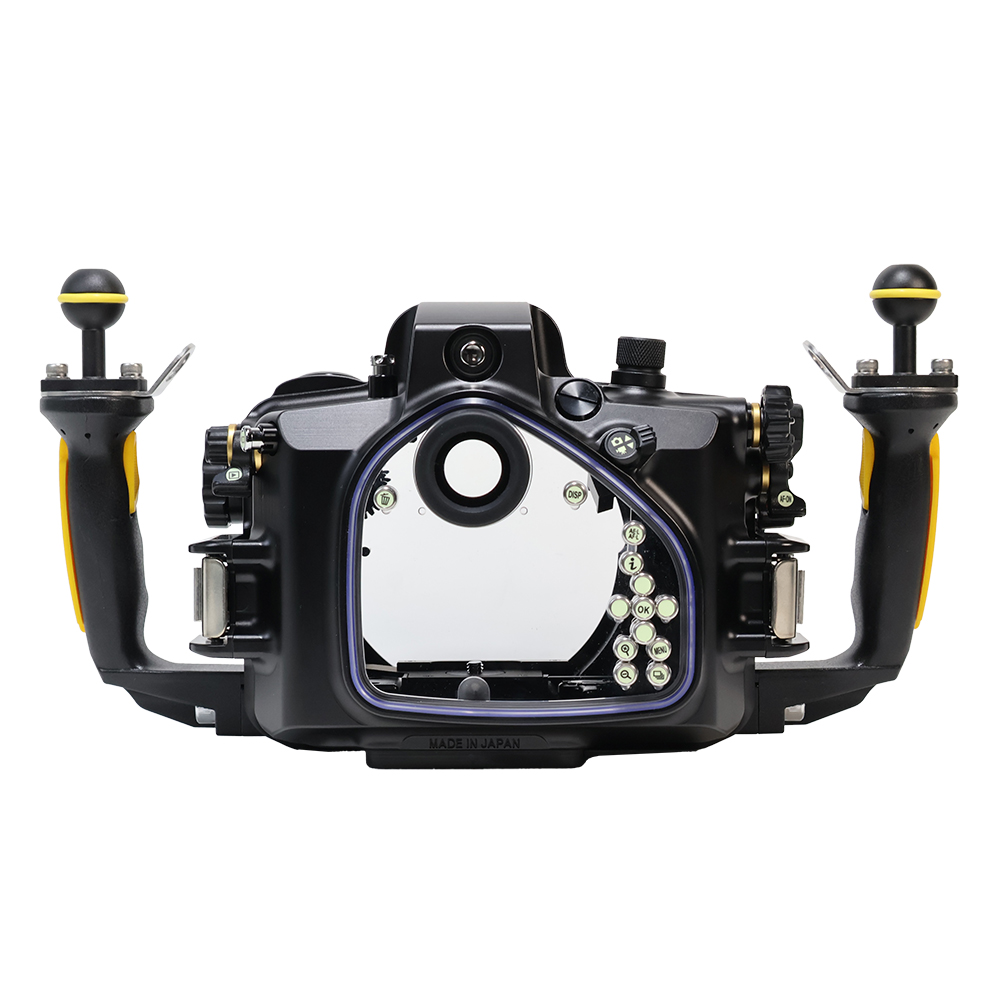
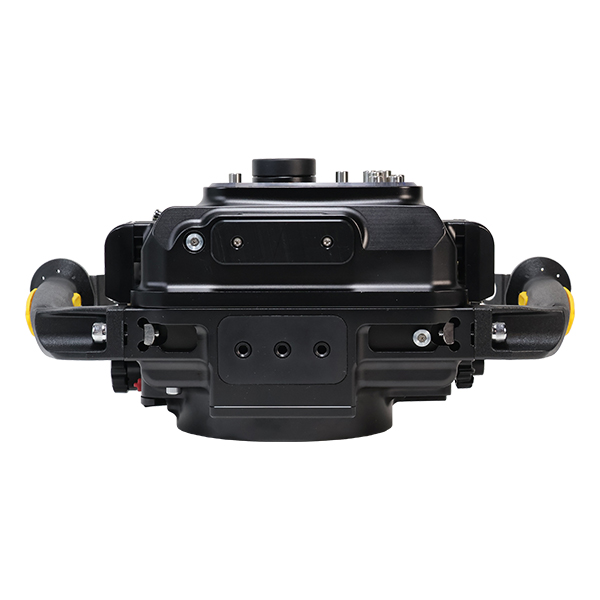
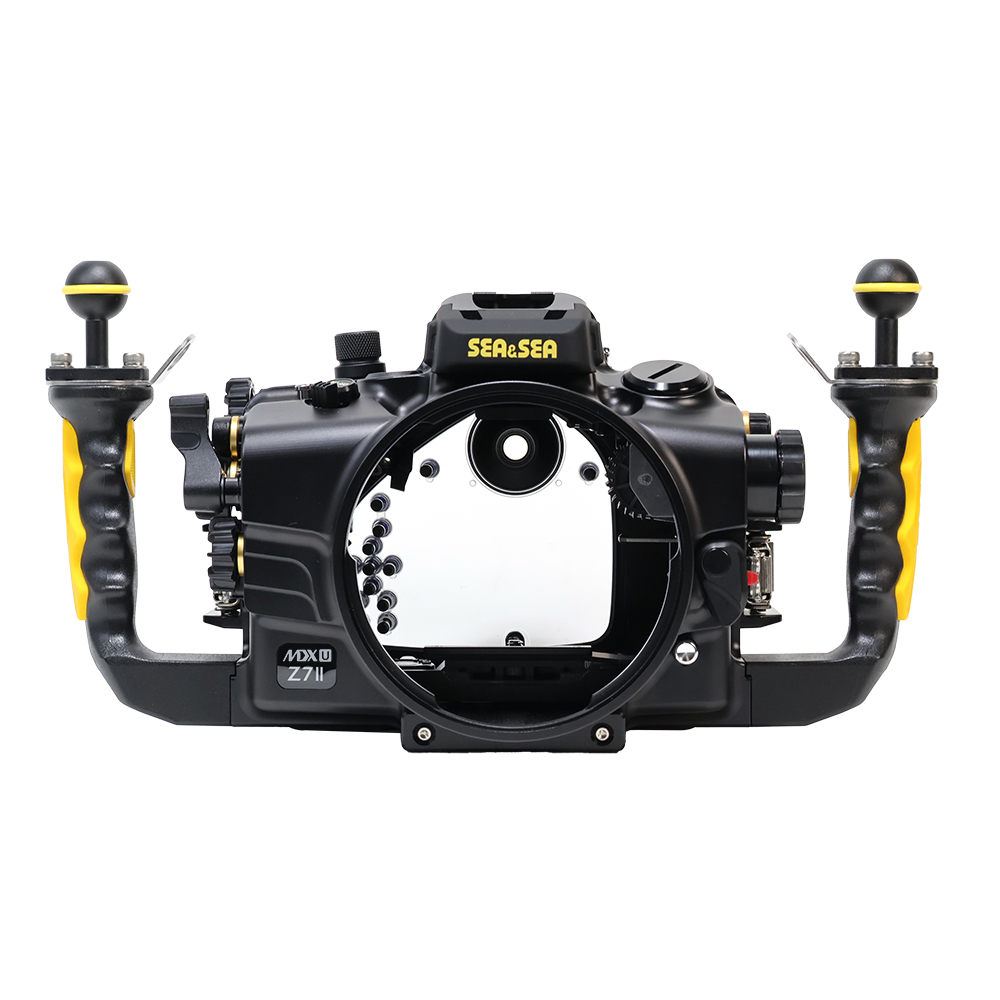
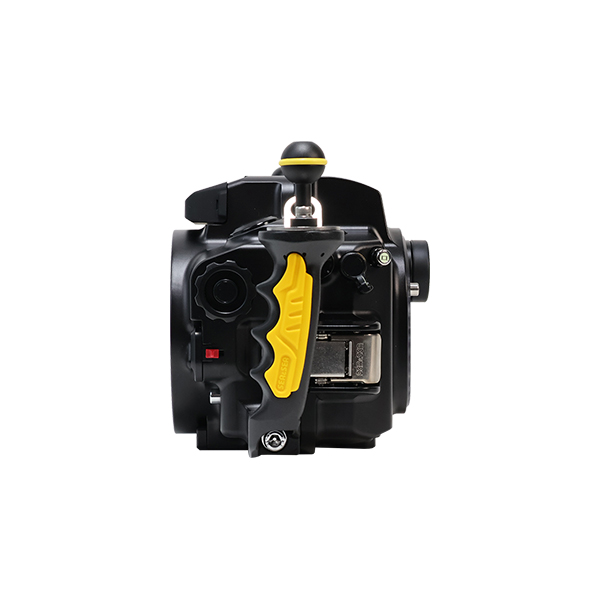
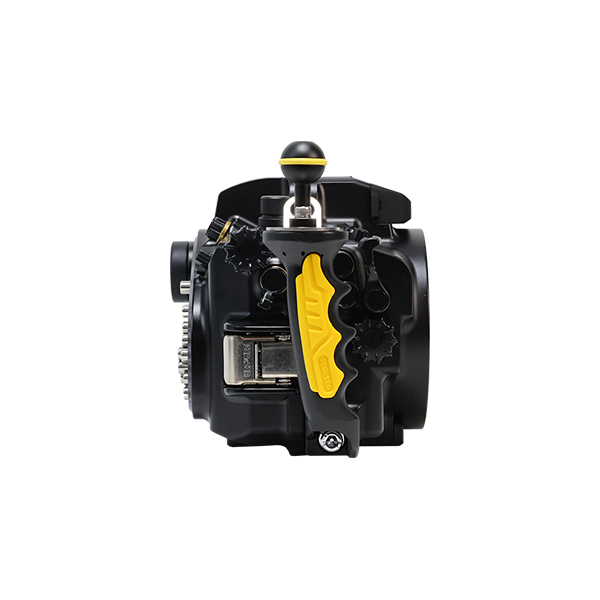
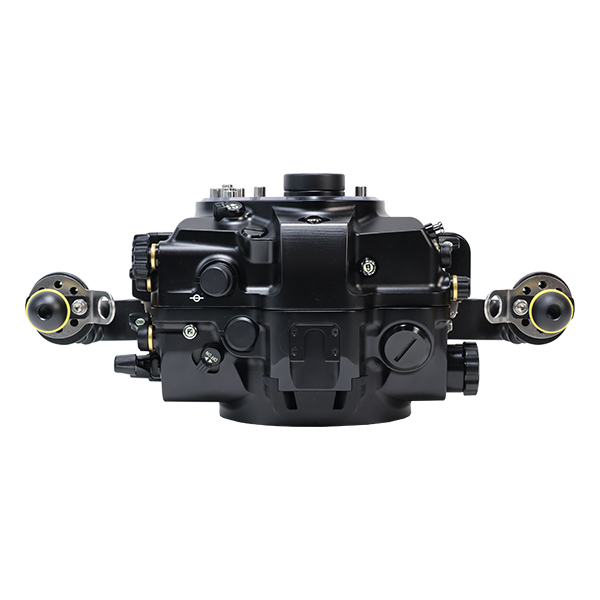
Images: Sea&Sea
Which Nikon Z Cameras Are Supported?
The universal housing currently supports several popular full-frame Nikon Z mirrorless cameras:
- Nikon Z5
- Nikon Z6 II
- Nikon Z7 II
These models have become increasingly common underwater thanks to their strong stills performance, growing video capabilities, and expanding lens ecosystem.
For divers already invested in Nikon Z lenses, the ability to upgrade camera bodies without replacing the housing could make future upgrades much easier to justify.
Built on the MDX Platform: What Divers Can Expect
Sea&Sea hasn’t reinvented its housing design here. Instead, it has built the system on its established MDX platform, which many underwater shooters already know.
Precision-Machined Aluminum Construction
The housing is built from machined aluminum, providing strength, durability, and corrosion resistance for saltwater diving environments.
For photographers who travel frequently or dive in demanding conditions, aluminum housings remain the standard choice for reliability.
Large Rear Viewing Window
A clear rear viewing window allows divers to easily monitor the camera’s LCD screen underwater.
This makes it easier to check:
- Focus accuracy
- Exposure settings
- Histograms
- Image playback
Visibility is especially important when shooting low-contrast subjects or macro critters in darker environments.
Integrated Leak Detection
The housing includes a built-in leak detection system, designed to warn divers if moisture enters the housing.
While leak detection is not a replacement for proper maintenance and O-ring care, it provides an extra safety layer for protecting expensive camera equipment underwater.
Fiber-Optic Strobes and TTL Support
Lighting systems are one of the most important, and sometimes most complicated, parts of underwater photography.
The new housing supports fiber-optic strobe triggering, which many photographers prefer because it is:
- Simple to set up
- Highly reliable underwater
- Compatible with many popular strobes
Sea&Sea also notes that its optical conversion technology can be integrated for TTL (Through-The-Lens) exposure control when used with compatible strobes.
TTL can be useful when shooting fast-moving subjects or in situations where ambient light changes rapidly during a dive.
Why “Universal” Housings Matter
A universal housing does more than just reduce upgrade costs. It also simplifies the overall shooting experience.
When the outer housing remains the same:
- Control layouts stay consistent
- Muscle memory remains intact
- Existing accessories are more likely to remain compatible
For divers who shoot regularly, that continuity can make a real difference in handling and workflow underwater.
Instead of rebuilding a system every time a new camera is released, photographers can evolve their setup gradually.
Practical Implications for Underwater Photographers
For divers considering the new housing, several real-world advantages stand out.
✅ Upgrading cameras becomes easier
Moving from a Z5 to a Z6 II or similar may only require internal configuration changes.
✅ Your system may last longer
Housing upgrades often represent the biggest cost in underwater photography. Extending their lifespan can free up budget for lenses, strobes, or travel.
✅ Backup cameras become more practical
A universal housing may make it easier to maintain a secondary body without needing a second housing.
✅ System ecosystems matter
Because the housing uses the MDX platform, it integrates with a broader range of ports and accessories within Sea&Sea’s system.
However, divers should always check exact compatibility and required parts before switching camera bodies inside the housing.
sdm knowledge:
Sea&Sea Universal Nikon Z Housing
The housing currently supports several full-frame Nikon Z mirrorless cameras, including the Nikon Z5, Z6 II, and Z7 II.
A universal housing allows multiple camera bodies to fit inside the same external housing shell, usually by changing internal components or configuration.
Yes. Sea&Sea’s optical conversion technology can be used to enable TTL strobe functionality with compatible strobes.
Yes. The housing uses precision-machined aluminum, which provides durability and corrosion resistance for regular saltwater diving.
Fiber-optic triggering is widely used underwater because it is simple, reliable, and compatible with many strobe systems, without the maintenance challenges sometimes associated with electrical sync cables.