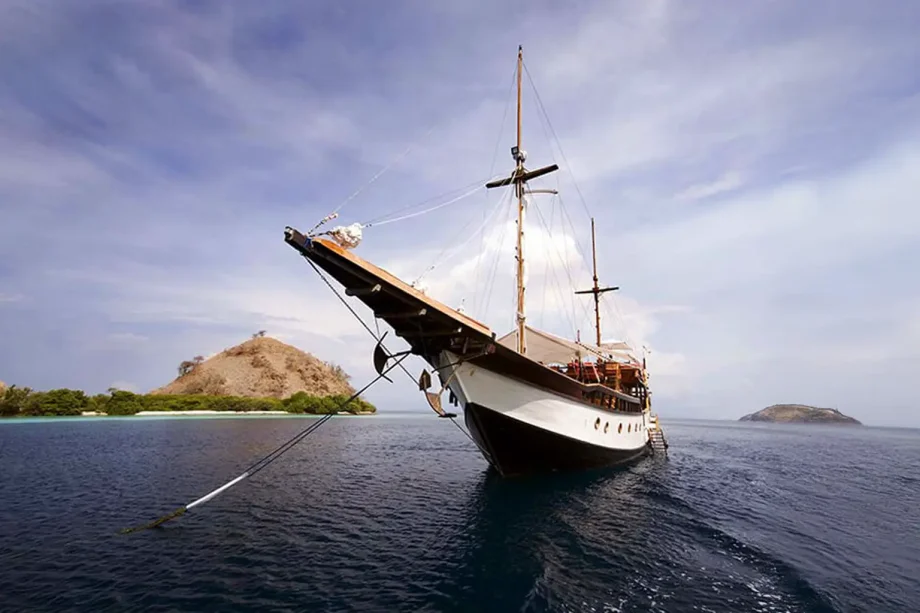
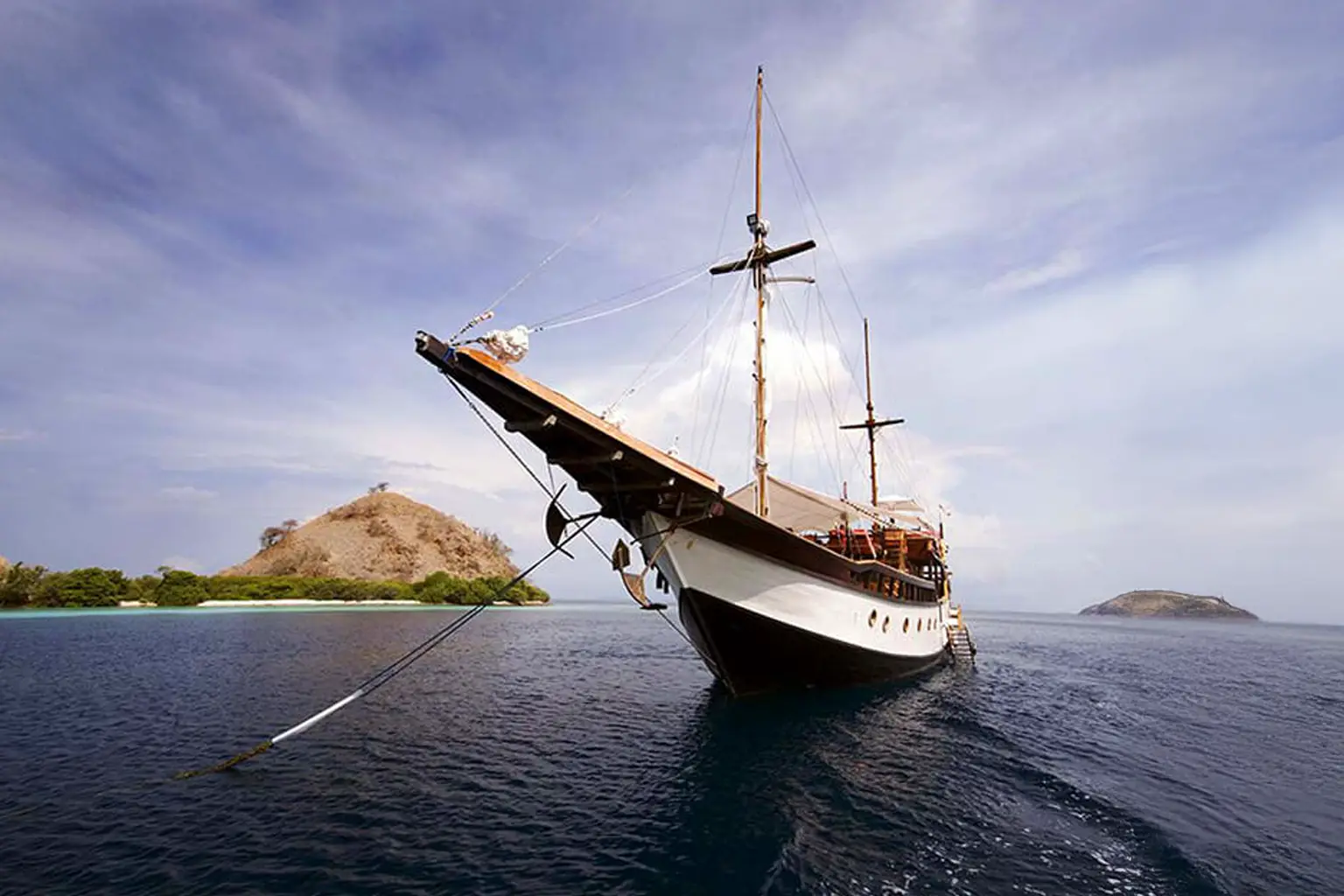

Image: Wunderpus Liveaboard
Dive liveaboards take divers far beyond the reach of day boats, into remote reefs, offshore seamounts, and marine ecosystems that often see very little human activity. That access is one of the biggest draws of liveaboard diving.
But operating in fragile ocean environments comes with responsibility.
From coral reefs in Raja Ampat to pelagic dive routes in the Galápagos Islands and the atolls of the Maldives, liveaboard vessels operate in places where even small environmental impacts can accumulate quickly.
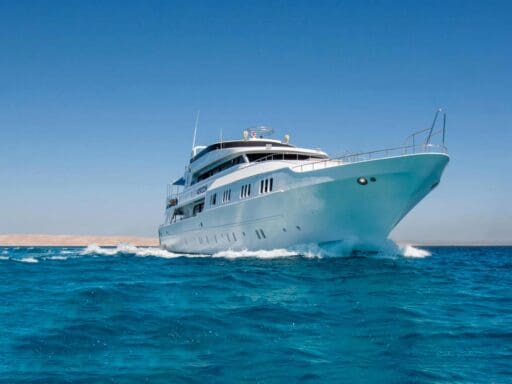
A dive liveaboard is a specialised dive vessel that allows divers to live onboard while travelling between remote dive sites over several days, often operating in coral reef ecosystems, marine protected areas, and offshore marine habitats.
As dive tourism grows, sustainability is becoming an increasingly important focus across the liveaboard industry.
Modern dive liveaboards increasingly combine responsible vessel operations, reef-safe procedures, and conservation partnerships to minimise their environmental footprint while supporting marine protection.
- Many liveaboards now use advanced wastewater treatment systems to prevent pollution in sensitive reef areas.
- Mooring buoys are widely used to avoid dropping anchors on coral reefs.
- Operators are reducing single-use plastics and improving onboard waste management.
- Some vessels support marine research and citizen science projects.
- Sustainable operations help ensure that remote dive destinations remain healthy for future divers.
In short: the best liveaboards now treat environmental protection as part of the business model, not an optional extra.
✅ Wastewater and Pollution Control
One of the biggest environmental concerns for vessels operating offshore is wastewater discharge.
Responsible liveaboards use marine sanitation devices (MSDs) or onboard treatment systems that process wastewater before it is released. These systems break down waste and reduce harmful bacteria, helping prevent contamination in coral reef environments.
In sensitive regions such as the Galápagos Islands, Raja Ampat, and parts of the Red Sea, operators must follow strict local regulations on where and how wastewater can be discharged. Some vessels store waste until they can offload it safely in port.
Fuel handling is another important area. Well-run liveaboards implement strict procedures to prevent spills and often carry containment equipment to deal with emergencies.
✅ Protecting Reefs from Anchors
Dropping anchor on coral is one of the fastest ways to destroy a reef structure that may have taken centuries to grow.
To avoid this, most major dive destinations now rely on permanent mooring systems. Liveaboards attach to these mooring buoys instead of anchoring directly on the reef.
In places like Raja Ampat, Komodo National Park, and the Maldives, mooring networks were often installed with the support of dive tourism operators themselves. These systems protect reef structures while allowing boats to access popular dive sites safely.
✅ Reducing Plastic and Onboard Waste
Many dive vessels are also working to reduce the amount of waste produced onboard.
Common changes include:
- Replacing disposable plastic bottles with refillable water stations
- Using reusable containers and packaging for food storage
- Sorting waste onboard for recycling in port
- Minimizing packaging when provisioning trips
On longer expeditions, waste management becomes especially important because vessels may be at sea for a week or more before reaching a harbour.
Even small changes, such as eliminating single-use toiletries or plastic straws, can significantly reduce the amount of trash generated over time.

Sustainability standards are also shaping the dive industry. The international initiative Green Fins works with dive operators and liveaboards worldwide to reduce the environmental impact of dive tourism. Its guidelines focus on protecting coral reefs, improving waste management, and encouraging responsible diver behaviour, standards that many operators now follow across popular dive destinations.
✅ Supporting Marine Research
Some liveaboards also contribute directly to marine science and conservation monitoring.
Divers may be invited to participate in citizen science initiatives, helping collect data on reef health, coral bleaching, or fish populations. Projects linked to organizations like Reef Check and Project AWARE rely on these kinds of observations.
Because liveaboards visit remote areas frequently, they can provide researchers with valuable long-term data from locations that are difficult to monitor regularly.
✅ Educating Divers on Sustainability
Perhaps the most powerful sustainability tool on a liveaboard isn’t a piece of equipment, it’s education.
Dive briefings increasingly include environmental guidelines covering buoyancy control, wildlife interactions, and reef etiquette. Guests are encouraged to avoid touching marine life, maintain proper trim, and practice responsible underwater photography.
Many operators also promote reef-safe sunscreen, responsible waste disposal, and respect for local marine protected areas.
For many divers, a liveaboard trip becomes the moment when ocean conservation stops being abstract and starts feeling personal.
Why Sustainability Matters for the Future of Diving
Healthy oceans are the foundation of the dive industry.
If coral reefs decline, shark populations disappear, or fragile marine ecosystems are damaged, dive tourism quickly follows. That reality is pushing more liveaboard operators to adopt sustainable practices, not just for environmental reasons, but for long-term survival of the business.
The most forward-thinking operators now see sustainability as a competitive advantage: divers increasingly choose vessels that demonstrate real environmental responsibility.
Liveaboards Leading the Way on Sustainabilty
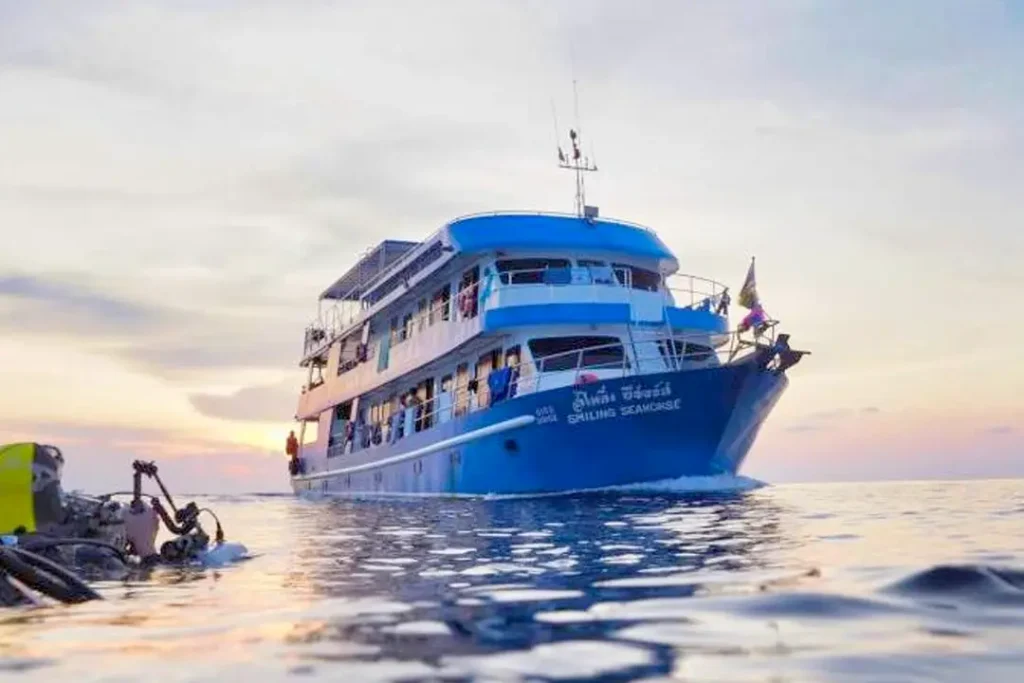
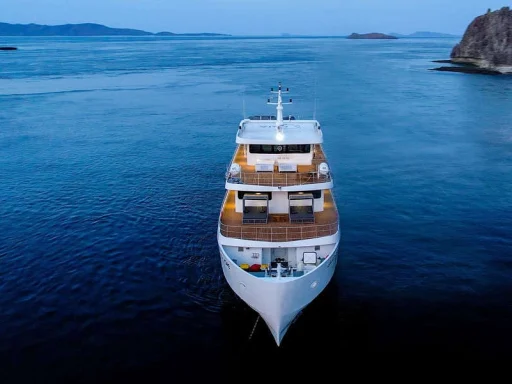
The Smiling Seahorse
This liveaboard focuses heavily on marine research and citizen science. Their conservation efforts include:
- Hosting marine biologists onboard
- Supporting manta ray and whale shark research
- Following Green Fins* environmental standards
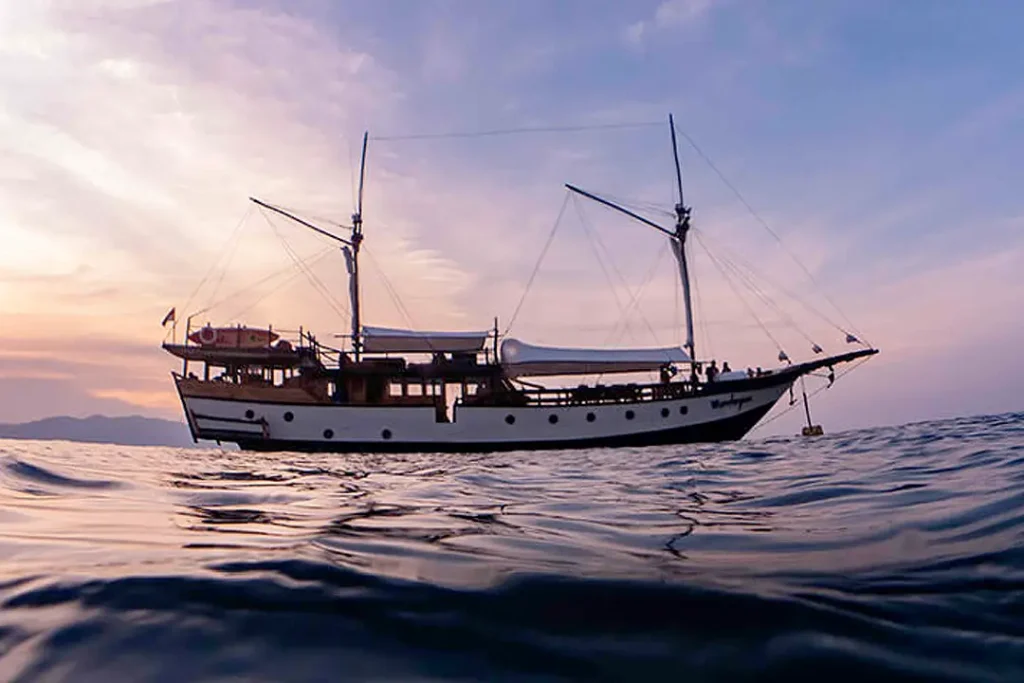
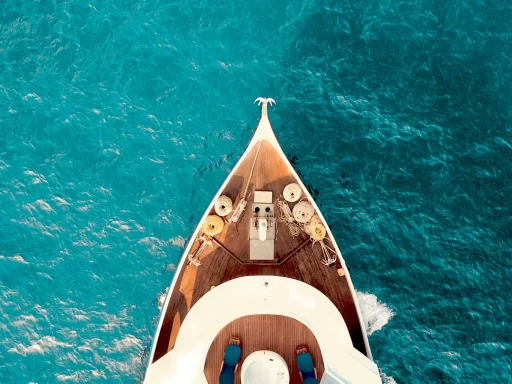
Wunderpus Liveaboard
A small boutique dive liveaboard in Raja Ampat known for strong environmental policies.
- Zero single-use plastic policy
- Recycling and waste reduction onboard
- Supporting local marine conservation initiatives
- Responsible reef interaction policies for guests
The Future of Sustainable Liveaboard Diving
Healthy oceans are the foundation of the dive industry, and liveaboards depend on some of the most fragile marine ecosystems on the planet.
As dive tourism continues to grow, operators are under increasing pressure to reduce environmental impact while still providing access to remote and spectacular dive sites. That pressure is already pushing many liveaboards to adopt better wastewater treatment systems, stricter waste management practices, reef-safe mooring procedures, and closer partnerships with marine conservation projects.
At the same time, divers themselves are becoming more aware of sustainability. Many now actively choose operators that demonstrate responsible environmental practices, particularly in sensitive regions such as Raja Ampat, the Galápagos Islands, and Komodo National Park.
For the liveaboard industry, sustainability can’t just remain a marketing message. It is becoming a core part of how dive tourism operates, helping protect the coral reefs, marine wildlife, and remote ocean environments that make these journeys possible in the first place.
sdm knowledge
A dive liveaboard is a specialised dive vessel where divers live onboard while travelling between dive sites over multiple days. These boats allow access to remote reefs and offshore dive locations that day boats cannot easily reach.
Most dive liveaboards use permanent mooring buoys instead of dropping anchors. These mooring systems prevent anchor damage to fragile coral reef structures.
Many modern vessels use marine sanitation devices or onboard treatment systems that process wastewater before discharge or store waste until it can be disposed of safely in port.
They can be when operators follow responsible practices such as waste reduction, reef-safe mooring, pollution control, and environmental education for divers.
Some liveaboards contribute to marine conservation by supporting citizen science projects, reef monitoring programs, or conservation partnerships in marine protected areas.