

All images: dronepicr
The Zenobia wreck in Cyprus is one of the most famous wreck dives in the Mediterranean and attracts thousands of scuba divers to Larnaca every year.
Authorities in Cyprus are now investigating after a diving instructor died during a dive on the wreck, following an underwater incident that triggered a rescue response from local emergency services.
sdm facts
What we know: a training dive on one of the Mediterranean’s best-known wreck sites ended in tragedy, and officials are now investigating what happened underwater.
- A 67-year-old Greek Cypriot diving instructor died after an incident during a dive on the Zenobia wreck near Larnaca.
- The alarm was raised at around 09:40 during a training dive with two students.
- Emergency services coordinated by the Joint Rescue Coordination Centre (JRCC) responded to the scene.
- The diver was recovered and taken to Larnaca General Hospital, where he was pronounced dead.
- Authorities have opened an investigation, and a post-mortem examination is expected to determine the cause.
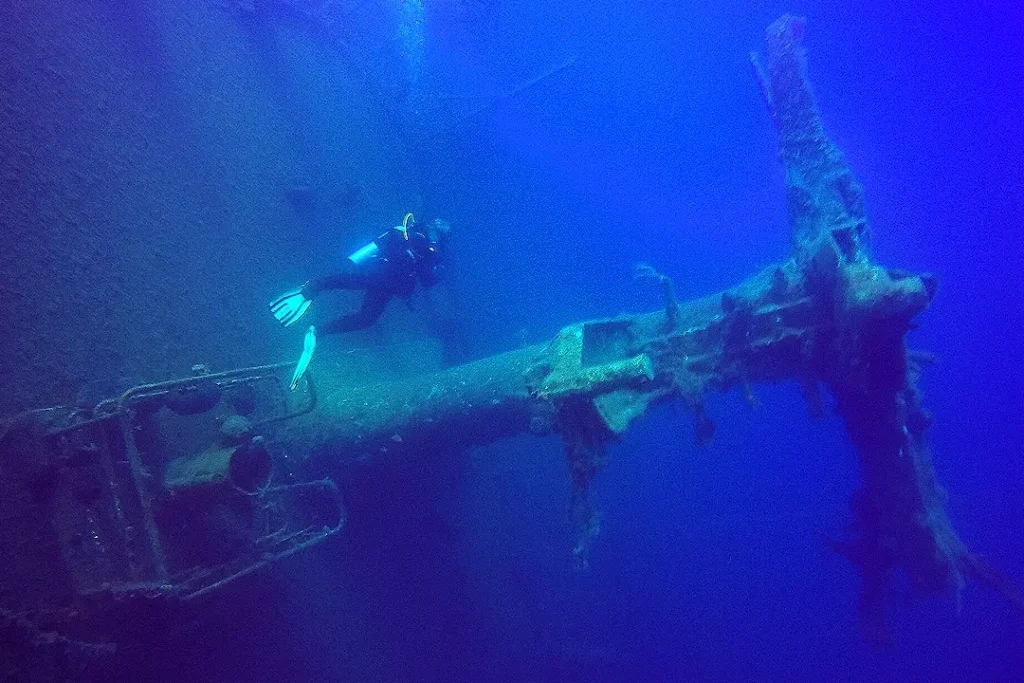
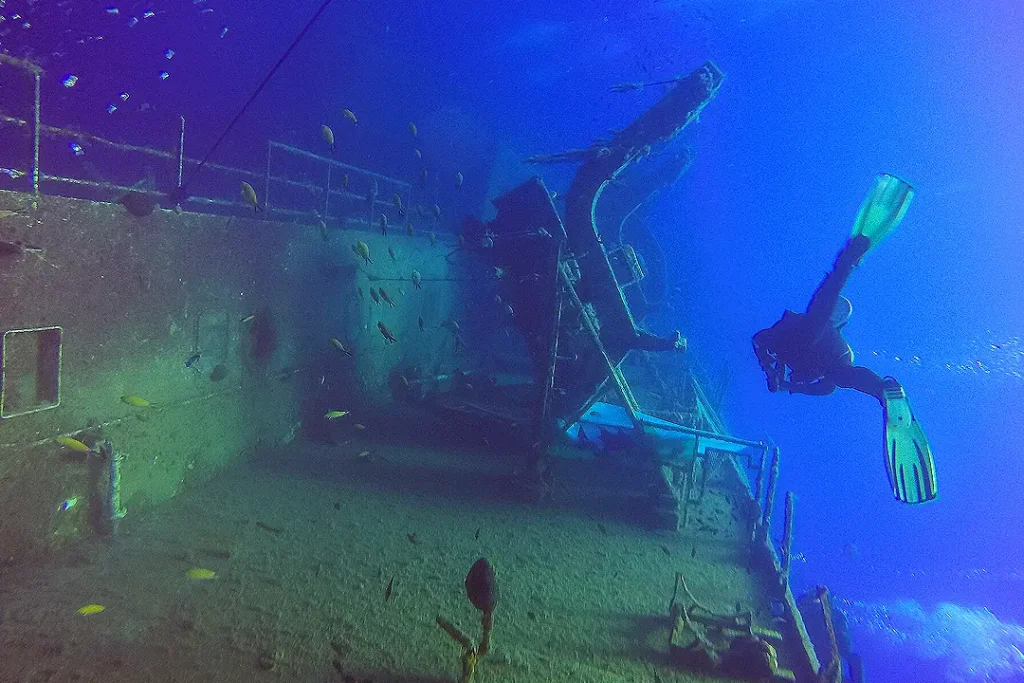
The Zenobia wreck is considered one of the world’s best wreck dives, but its scale and complexity mean it still demands experience, planning, and strict adherence to diving limits. Even familiar dive sites can become dangerous when conditions or circumstances change underwater.
Emergency Response Triggered at the Zenobia Wreck
The incident happened during a training dive at the Zenobia wreck, located roughly 1.5 kilometres off the coast of Larnaca.
According to authorities, the instructor entered the water with two trainee divers as part of a training dive on the wreck. At some point during the dive, the students realised their instructor was experiencing difficulties underwater.
After surfacing, they raised the alarm.
The emergency call triggered a response coordinated by the Joint Rescue Coordination Centre (JRCC) in Larnaca, which manages maritime and aviation search-and-rescue operations in Cyprus.
A Port and Marine Police patrol boat was dispatched to the site to assist.
Rescue crews recovered the diver from the water and brought him ashore, where paramedics were waiting. He was transported by ambulance to Larnaca General Hospital.
Doctors later confirmed that the instructor had died.
Authorities have not yet released further details about what happened during the dive.
The Zenobia: One of the World’s Most Famous Wreck Dives
The Zenobia wreck is widely regarded as one of the top wreck dives in the world.
The 172-metre Swedish roll-on/roll-off ferry sank off Larnaca in June 1980 during its maiden voyage after a malfunction in its computerized ballast system caused the vessel to list uncontrollably. The crew abandoned ship safely before it capsized.
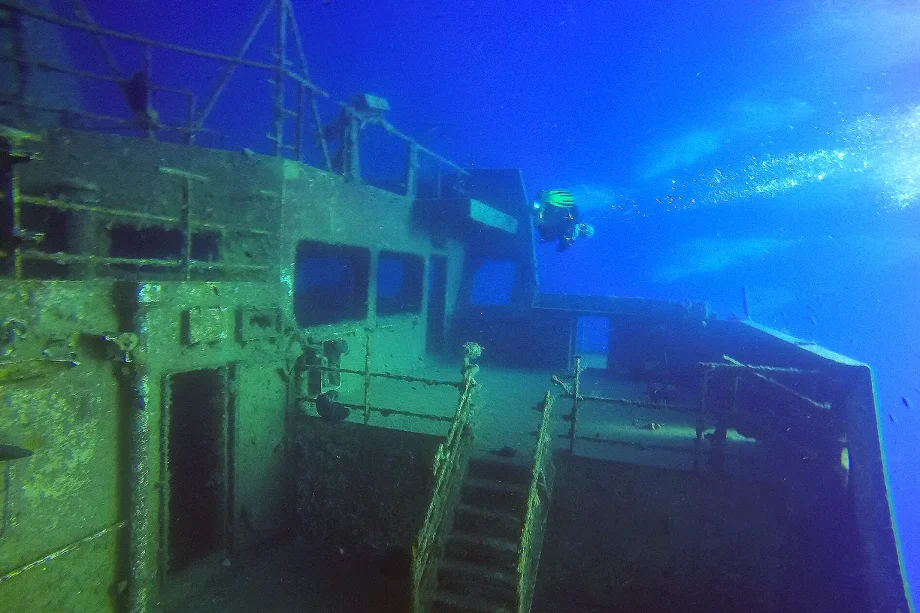
Today the wreck lies on its port side between about 18 and 42 metres, making it accessible to advanced recreational divers while also offering deeper areas explored by technical divers.
The wreck’s cargo decks still contain dozens of trucks, and the ship’s immense size allows divers to explore multiple decks, passageways, and external structures.
Because of its scale and relatively clear Mediterranean conditions, the Zenobia has become a bucket-list wreck dive visited by thousands of divers every year.
However, the wreck environment also presents hazards, particularly for divers entering the ship’s interior.
Investigation Underway After Fatal Diving Incident
Authorities in Cyprus have opened an investigation into the circumstances surrounding the instructor’s death.
Police are working to establish exactly what happened during the dive, and a post-mortem examination is expected to determine the medical cause.
Fatal diving incidents remain rare in recreational scuba diving, but they do occur each year worldwide, often involving a combination of medical issues, equipment problems, or environmental factors.
Further details about the incident may be released once the investigation is completed.
Why the Zenobia Wreck Is One of the Most Popular Dive Sites in the Mediterranean
The Zenobia wreck near Larnaca is consistently ranked among the best wreck dives in the world and is one of the most important dive tourism sites in Cyprus.
Its depth range allows both advanced recreational divers and technical divers to explore different sections of the wreck. The ship’s cargo decks, filled with trucks and heavy vehicles, create one of the most unusual underwater wreck scenes anywhere.
Marine life has also colonised the wreck over the decades, turning it into an artificial reef that supports groupers, barracuda, amberjack, and large schools of fish.
Because of this combination of history, scale, and marine life, the Zenobia has become a flagship dive site for Cyprus diving tourism.
Diving Safety at Major Wreck Sites Like Zenobia
Large wrecks such as the Zenobia can offer extraordinary dives but also require careful planning and training.
Divers visiting the wreck are typically advised to:
- dive within their training and certification limits
- use proper wreck-diving procedures if entering the structure
- monitor gas supply and depth carefully
- dive with experienced guides familiar with the wreck
Training dives conducted on major wrecks are usually planned conservatively, but complex environments can still present challenges underwater.
sdm knowledge:
Zenobia Wreck Diving Incident in Cyprus
The Zenobia wreck lies about 1.5 kilometres off the coast of Larnaca, Cyprus, in the eastern Mediterranean Sea.
The wreck rests on its port side between roughly 18 and 42 metres, making it accessible to advanced recreational divers while deeper sections attract technical divers.
The Zenobia is famous for its size, intact structure, and cargo of trucks, as well as its clear water conditions and abundant marine life. It is frequently ranked among the top wreck dives in the world.
A 67-year-old diving instructor died after experiencing difficulties during a training dive with two students on the wreck. Emergency services recovered him and transported him to hospital, where he was later pronounced dead.
Fatal incidents are rare but not unheard of at major wreck dive sites like Zenobia, particularly when dives involve depth, wreck penetration, or complex underwater conditions.
Zenobia Wreck Incident Highlights Risks of Advanced Wreck Diving
The Zenobia wreck remains one of the most iconic dive sites in the Mediterranean and a cornerstone of Cyprus diving tourism.
But incidents like this highlight an important reality of scuba diving: even well-known dive sites demand careful planning, training, and awareness of the environment.
As authorities in Cyprus continue their investigation, we will be watching for more information about what happened during the dive.