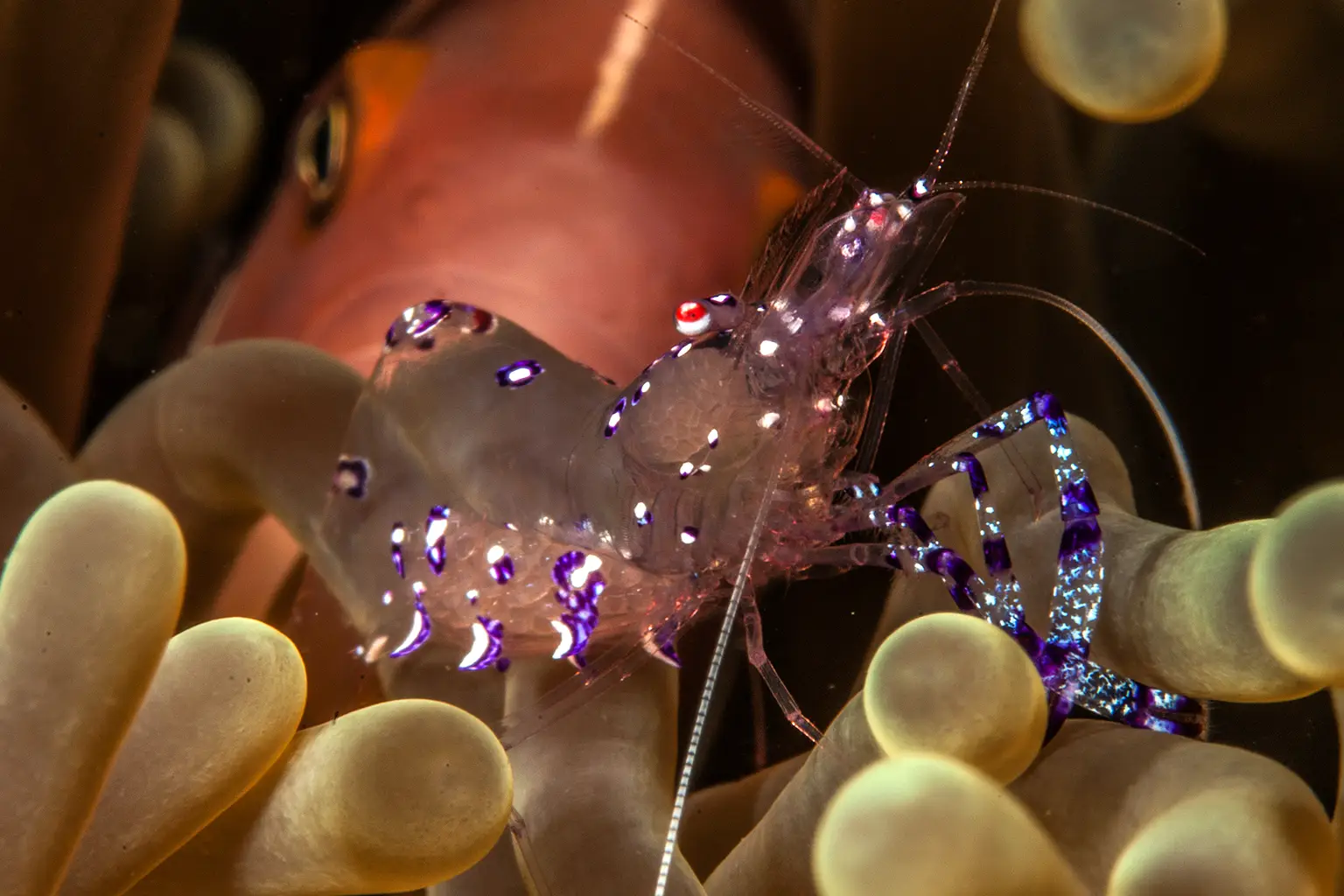

Lembeh Strait is built for macro photography. Dark volcanic sand, bizarre marine life, and dive guides with almost supernatural spotting skills combine to create one of the most productive underwater photo destinations on the planet.
In January 2027, Lembeh Resort will host the 13th edition of Capturing Critters in Lembeh (CCiL), a week-long underwater photography workshop designed to help divers improve their macro skills while shooting some of Indonesia’s strangest marine life.
The program runs 11–18 January 2027, with optional pre- and post-workshop extensions available for divers who want additional time in the water.
Rather than a casual “bring your camera and hope for the best” trip, CCiL combines high-volume macro diving with daily photo coaching, seminars, and personalised feedback.
sdm. quick facts:
Capturing Critters in Lembeh 2027
- Dates: 11–18 January 2027
- Location: Lembeh Strait, Indonesia (based at Lembeh Resort)
- Workshop leaders: Marty Snyderman and James Emery
- Focus: Macro and muck-diving photography
- Diving: At least 17 guided dives, plus optional night dives
- Extras: Unlimited house reef diving, daily seminars, image reviews, nitrox
Why Lembeh Strait Still Delivers for Underwater Photographers
Macro photography is about patience, precision, and repetition. Few places reward those qualities like Lembeh Strait, widely regarded as the global capital of muck diving.
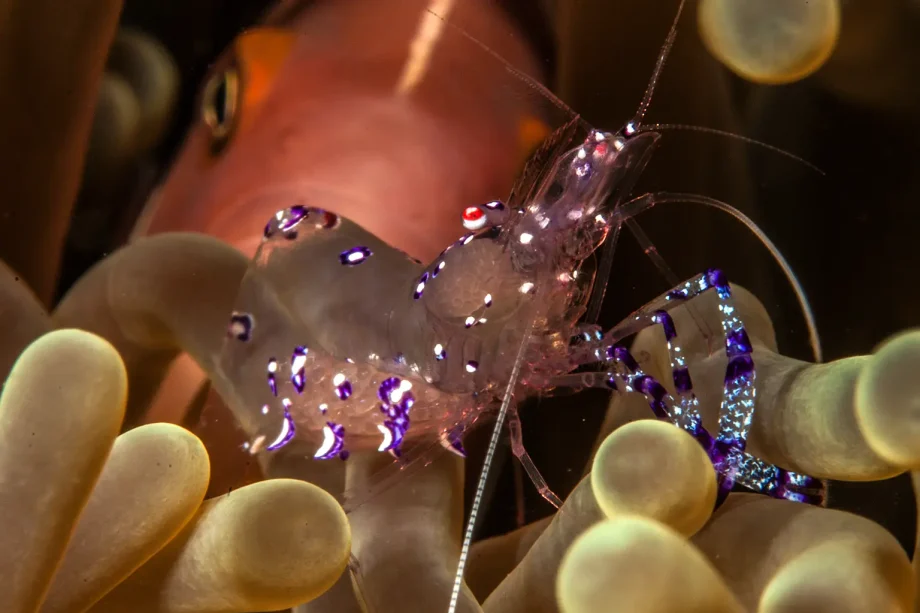
The region’s volcanic sand slopes may look barren at first glance, but they’re home to an extraordinary range of unusual marine species: frogfish, ghost pipefish, flamboyant cuttlefish, mimic octopus, and countless species of nudibranchs.
For photographers, that environment is ideal. Subjects tend to be small, slow-moving, and often tolerant of careful observation. When paired with experienced guides, it becomes possible to spend meaningful time with a subject – experimenting with lighting, composition, and approach techniques.
That’s exactly the environment CCiL is designed to use: structured dives paired with structured learning, allowing photographers to refine techniques while repeatedly applying them in the water.
The Instructors: Two Complementary Teaching Styles
The 2027 workshop is led by Marty Snyderman and James Emery, two photographers with different strengths that together cover the full range of underwater imaging skills.
Marty Snyderman: the fundamentals that never go out of style
Snyderman’s teaching focuses on the foundations of underwater photography. The elements that remain critical regardless of what camera system you use.
His sessions often emphasize reading animal behaviour, anticipating movement, and developing compositions that work beyond simple documentation. The idea is to move from “taking pictures of fish” to creating deliberate wildlife images.
For many photographers, that shift alone can dramatically improve results.
James Emery: modern gear and practical workflow
Emery brings the modern equipment perspective, covering camera systems, lighting configurations, and efficient shooting techniques.
He also has a deep connection to the destination, having previously worked as Lembeh Resort’s in-house Photo Pro. That familiarity helps translate technical advice into practical strategies that actually work on Lembeh dives.
His focus often includes strobe control, consistency in lighting setups, and efficient post-dive workflow, all aimed at helping photographers spend more time shooting and less time troubleshooting gear.
A Workshop Built Around High Dive Volume
One of the defining features of the Capturing Critters program is the number of dives available throughout the week.
Participants can expect at least 17 guided dives across Lembeh’s macro sites, with additional optional night dives when the strait reveals a completely different cast of nocturnal species.
Beyond boat dives, photographers also get unlimited access to the resort’s house reef. That’s particularly valuable for photographers experimenting with new techniques — whether testing a snoot setup, refining focus light positioning, or dialing in strobe angles.
The workshop also maintains a 3:1 guest-to-guide ratio, which helps photographers stay with a subject long enough to refine compositions rather than being rushed to the next critter.
Nitrox is included for all dives, helping support a schedule that often involves multiple dives per day.
Learning Happens Every Day — Not Just in the Water
The diving schedule is paired with daily classroom sessions and coaching blocks, designed to help photographers translate dive experiences into better results on the next dive.
Sessions typically include seminars on lighting techniques, composition strategies, camera setup, and post-processing approaches. Participants also receive personalised image reviews and one-on-one mentoring throughout the week.
Support goes beyond the two instructors. The workshop also involves the resort’s Photo Pro team, dive guides, photo centre assistants, and a marine biologist, providing a mix of technical expertise and ecological knowledge.
That combination helps participants understand not only how to photograph a subject, but also why certain species behave the way they do.
Resort Logistics Designed for Photographers
The workshop package is structured to minimise distractions and keep photographers focused on diving and image work.
Accommodation at Lembeh Resort is included along with meals, snacks, and drinks. The package also covers round-trip airport transfers, making arrival logistics easier for international travellers.
Participants receive a complimentary 30-minute spa treatment, along with a 20 percent discount on additional spa services. It may seem like a small addition, but after multiple macro dives and long evenings reviewing images, recovery time becomes surprisingly valuable.
A Collaborative Photo Culture
Underwater photo workshops sometimes drift into quiet competitions — who found the rarest subject or captured the sharpest rhinopias portrait.
CCiL aims for something different.
The program emphasises shared learning and open discussion, encouraging participants to compare techniques, troubleshoot lighting setups, and exchange ideas. That environment tends to accelerate learning because photographers aren’t just seeing final images — they’re seeing the entire process behind them.
For many participants, that collaborative atmosphere becomes one of the most valuable aspects of the week.
Who This Workshop Is Best For
Capturing Critters in Lembeh is designed for photographers who want focused improvement rather than casual photo opportunities.
It’s particularly useful for divers who already shoot macro but feel stuck with issues like backscatter, inconsistent lighting, or difficulty achieving sharp focus on small subjects.
The workshop also works well for divers transitioning to new camera systems. Whether upgrading from compact cameras to mirrorless setups or refining a DSLR rig, structured coaching can shorten the learning curve significantly.
Importantly, the program accommodates a wide range of camera systems, from compact cameras to full DSLR setups, because the teaching combines universal technique with modern equipment advice.
What This Means for Divers
For underwater photographers, a week like this offers more than just a collection of dives.
Structured workshops compress the learning process. Instead of spending months experimenting alone, photographers can shoot, review, adjust, and repeat in rapid cycles.
Guide ratios also play a major role. A 3:1 photographer-to-guide setup dramatically increases the chances of spending meaningful time with a subject rather than quickly moving through dive sites.
Unlimited house reef diving is another advantage. These relaxed practice dives are often where photographers finally master difficult techniques like snooting or precise strobe positioning.
Nitrox support also helps maintain comfort across multiple dives per day — provided divers are certified and dive within their training limits.
Responsible Macro Photography
Macro photography can sometimes push divers toward bad habits, especially when chasing a difficult shot.
Maintaining excellent buoyancy, avoiding contact with the seabed, and never manipulating marine life are essential. Divers should also remain aware of depth, time, and buddy position while focusing on photography.
Following guide briefings and respecting local marine life ensures that Lembeh’s remarkable biodiversity remains intact for future photographers.