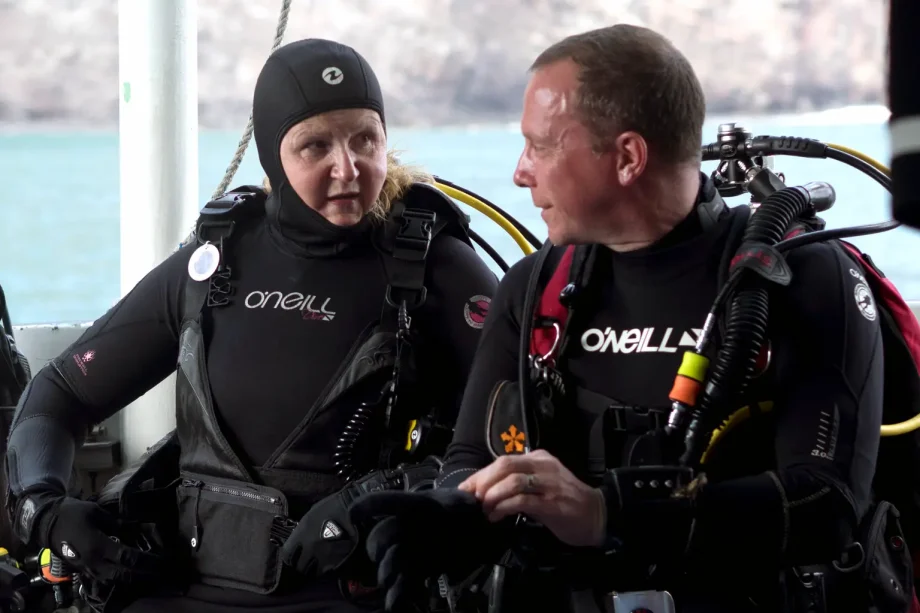
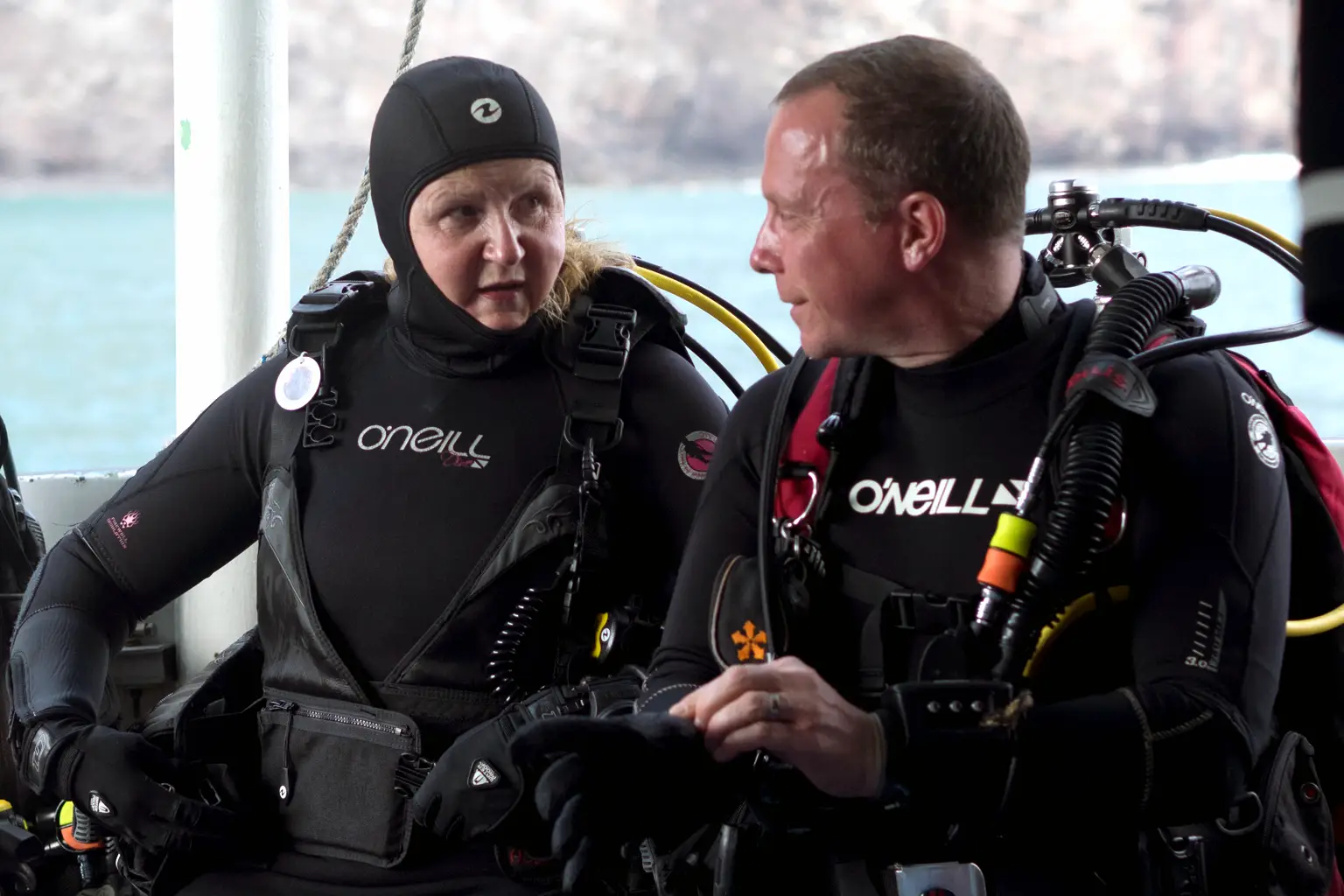

Image Credits: Nicole Hemsley
Scuba Schools International (SSI) has launched its 2026 Master Diver Challenge, a year-long incentive designed to push divers to keep training, logging dives, and stacking specialty certifications.
The mechanics are straightforward: earn a qualifying SSI rating during 2026 and you’re automatically entered into a prize draw linked to that certification level. No additional registration layer has been highlighted, progression itself is the entry ticket.
Unlike many “elite-only” campaigns, this one is tiered. Newer divers, mid-level divers, and seasoned logbook regulars all have a track they can realistically pursue.
sdm quick take
- Three separate prize draws, aligned to three SSI certification milestones
- Automatic entry upon earning the rating in 2026
- Clear experience + specialty requirements for each level
- Headline prizes include a Caribbean liveaboard and resort-based dive trips
The Three Prize Tracks
SSI has structured the 2026 Master Diver Challenge around progression. The higher the certification tier, the bigger the prize.
🏆 1) Master Diver Grand Prize
Prize: Trip for two aboard the Cayman Aggressor IV
This top-tier draw is open to divers who earn the SSI Master Diver rating during 2026. To qualify for Master Diver status, divers must:
- Log 50 dives
- Complete five SSI specialty programs
- Hold relevant prerequisite certifications (per SSI standards)
Completion of the Master Diver rating within the 2026 calendar year triggers automatic entry into the draw.
For experienced divers already sitting on 30–40 logged dives, this is achievable with structured planning. For others, it’s a disciplined but realistic 12-month project.
🏆 2) Advanced Specialty Diver Grand Prize
Prize: Grenada dive vacation for two
Hosted with Aquanauts Grenada and True Blue Bay Boutique Resort
This draw is tied to the SSI Advanced Specialty Diver certification.
Requirements:
- Complete four specialty courses
- Log 24 dives
Advanced Specialty Diver sits in the middle ground — structured progression without the 50-dive volume required for Master Diver. For divers who already travel once or twice a year, this level often aligns naturally with a season’s diving.
Grenada’s mix of reefs and wrecks, including the Bianca C, makes it a commercially attractive prize destination and a logical partner for a training-driven campaign.
🏆 3) Specialty Diver Grand Prize
Prize: Bahamas diving adventure on Andros Island
Hosted with Andros Beach Club
Designed for earlier-stage divers, this entry tier is linked to the SSI Specialty Diver certification.
Requirements:
- Complete two specialty certifications
- Log 12 dives
For Open Water divers building early experience, this is a realistic annual target. Twelve dives across a year can be achieved with local diving plus one short trip — and two specialties can be bundled efficiently (e.g., Nitrox + Navigation, or Perfect Buoyancy + Night Diving).
Why SSI Is Pushing This
From a business perspective, this is a continuing-education accelerator. SSI’s training model has long emphasized modular specialty progression and digital learning integration. The 2026 Master Diver Challenge reinforces:
- Ongoing engagement with SSI training centers
- Increased dive frequency
- Specialty course uptake
- Stronger brand loyalty through structured milestones
For dive centers, it’s a clean sales narrative: “Build your 2026 dive season around a goal.” That’s easier to market than abstract skill development.
What It Means for Divers (Beyond great Prizes)
Even if you never win a draw, structured progression tends to produce tangible improvements in real-world diving. Here’s how to use the challenge strategically:
1) Pick the Right Target Early
- Newer divers: Specialty Diver (12 dives + 2 specialties) is realistic.
- Active recreational divers: Advanced Specialty Diver (24 dives + 4 specialties) fits a standard travel year.
- Regular divers: Master Diver (50 dives + 5 specialties) becomes a season-long performance target.
2) Choose Functional Specialties
Avoid collecting cards for the sake of it. Align specialties with your likely dive environments:
- Nitrox for travel efficiency
- Navigation for autonomy
- Deep or Wreck for destination-specific diving
- Dry Suit if you dive cold water
- Perfect Buoyancy to upgrade everything
3) Use the Dive Count as a Pacing Tool
Fifty dives sounds heavy, until you break it down. That’s roughly four dives per month. Planning backward prevents the late-season scramble.
4) Upgrade Real-World Competence
The real payoff isn’t the trip prize. It’s:
- Better buoyancy control
- Cleaner gas planning
- Reduced task loading stress
- Stronger situational awareness
Structured training tends to compound.
sdm Safety Considerations
Progression works best when it’s paced. Increasing dive frequency and task loading should be gradual. Divers returning after long breaks may benefit from a refresher before stacking specialties or increasing depth profiles.
Certification requirements define training limits — they are not performance ceilings. Stay within your current qualification boundaries and build depth, environment, and complexity step-by-step.
SSI’s Strategic View:
Training as a Retention Model
Industry-wide, diver retention remains a challenge. Entry-level certifications are strong; ongoing engagement is less consistent.
Programs like the 2026 Master Diver Challenge are designed to:
- Convert casual divers into active divers
- Anchor travel plans around certification milestones
- Drive repeat engagement with local training centers
- Strengthen brand ecosystem loyalty
For operators and instructors, it’s a campaign worth leveraging early in the year rather than mid-season.
Should You Enter the SSI 2026 Master Diver Challenge?
SSI’s 2026 Master Diver Challenge is structured, tiered, and commercially aligned with continuing education.
For divers, it’s a clean excuse to turn “I should probably do that specialty” into a defined 12-month training plan… with a Caribbean liveaboard or resort trip as potential upside.
Whether you’re chasing 12 dives or 50, the bigger win isn’t the prize draw. It’s becoming measurably better in the water.