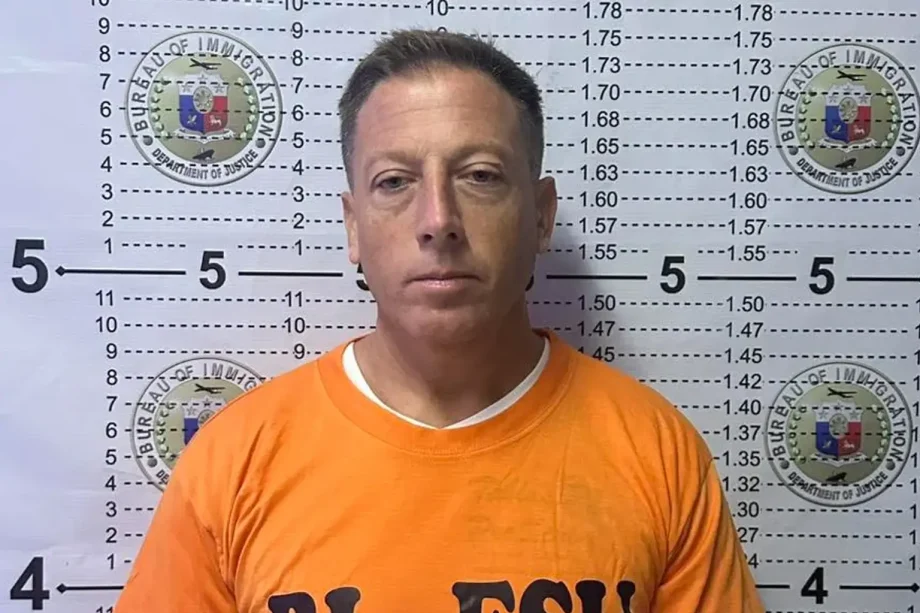

Philippine immigration officers have arrested a British national working as a dive instructor in the central Philippines after identifying him as a registered sex offender in the UK.
The arrest took place on 16 February in Romblon province, following an operation led by the Bureau of Immigration’s Fugitive Search Unit alongside the Philippine National Police. Authorities said the man was also in the country on an expired visa, making him an overstaying foreign national under local immigration rules.
The quick take
- A British man working as a dive instructor in Romblon was arrested by Philippine immigration authorities.
- Officials said he is a registered sex offender in the UK and subject to a lifelong notification order.
- Immigration checks found he had overstayed beyond his last authorised visa extension.
- He was held pending deportation as part of a wider child-protection enforcement push.
What happened (and where)
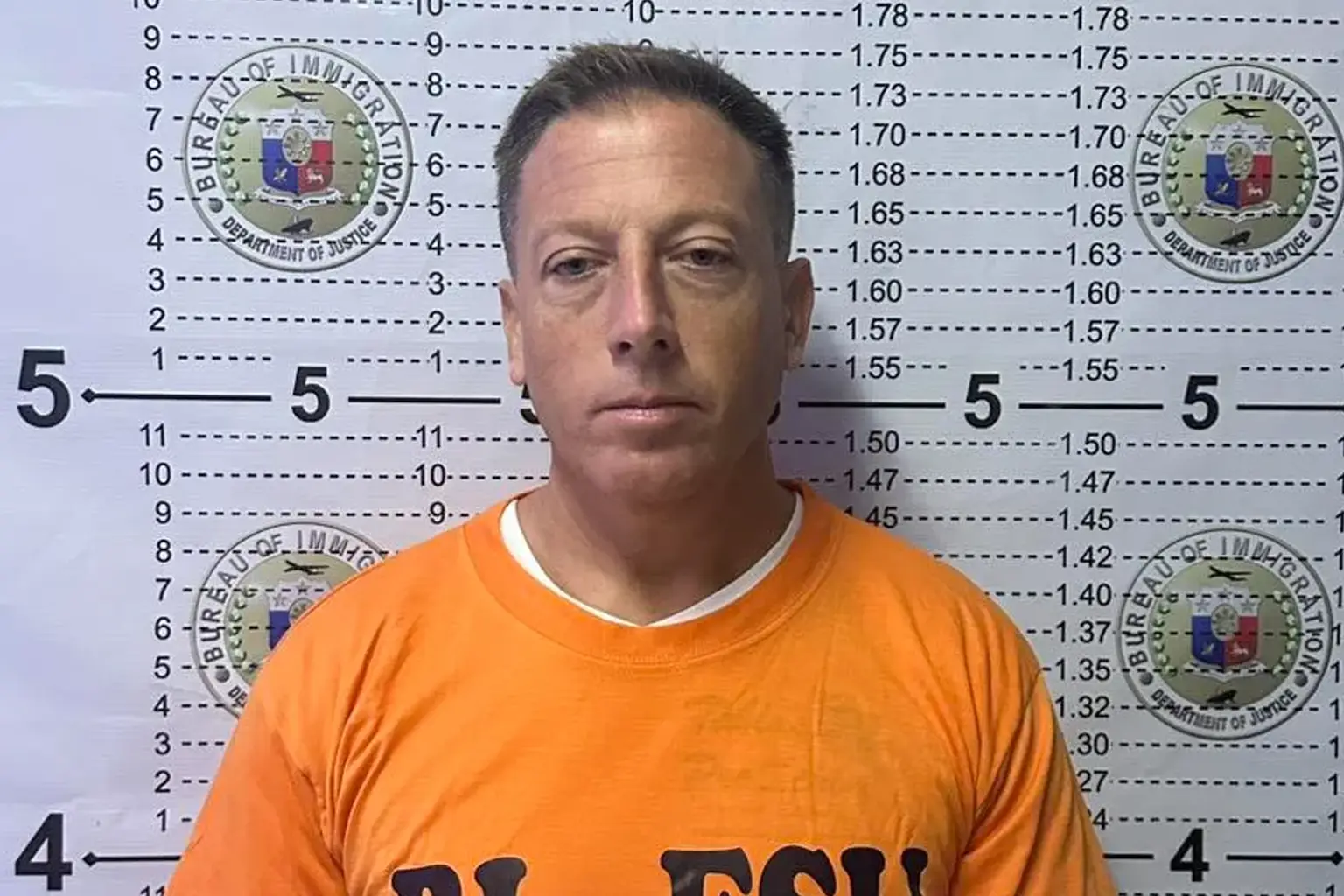
Philippine authorities identified the arrested man as Andrew Charles Beaumont, 47, a former teacher. He was taken into custody at Sitio Cabalian in Santa Fe, Romblon.
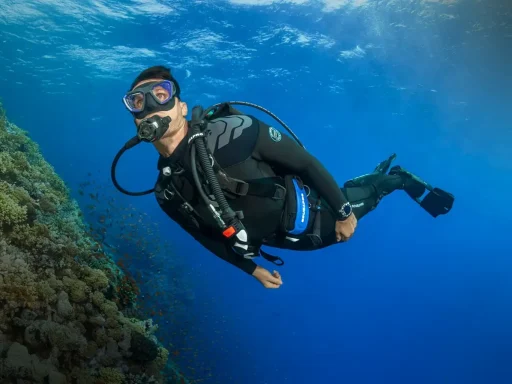
Officials said he was known locally for managing a dive business, Tablas Pro Scuba, and had been providing services as a scuba diving instructor at the time of the arrest.
The Bureau of Immigration said the operation was conducted by its Fugitive Search Unit with support from the Philippine National Police. The arrest formed part of targeted enforcement activity focused on foreign nationals flagged through intelligence-sharing mechanisms.
Immigration status: overstayed visa
Immigration records cited by the Bureau indicated Beaumont last entered the Philippines on 19 September 2022 on a temporary visitor visa.
Authorities said his most recent authorised visa extension expired in November 2023. Under Philippine immigration policy, remaining in the country beyond an approved extension categorises an individual as an “overstaying alien,” which can trigger detention and deportation proceedings.
In practical terms, this alone is sufficient grounds for removal, irrespective of any foreign criminal record.
Why he was flagged:
UK sex offender registration
According to the Bureau of Immigration, Beaumont is registered as a sex offender in the United Kingdom and is subject to a lifelong Sexual Offence Notification Order issued in 2012.
Officials also referenced an earlier conviction. Beaumont was convicted in 2009 while working as a teacher in Melbourne, Australia. He was sentenced on multiple counts to four years and six months’ imprisonment, with a three-year non-parole period.
Philippine authorities indicated that information relating to his background was shared through international coordination channels, prompting action.
Held pending deportation
At the time the Bureau’s official statement was released on 18 February, Beaumont was being held at the Bureau of Immigration Warden’s Facility while deportation processes were underway.
The agency framed the arrest as part of its broader enforcement strategy aimed at identifying foreign nationals who may pose risks to vulnerable groups.
Timeline
- 19 September 2022 – Entered the Philippines on a temporary visitor visa
- November 2023 – Last authorised visa extension expired
- 16 February – Arrested in Sitio Cabalian, Santa Fe, Romblon
- 18 February – Bureau of Immigration confirms detention pending deportation
The wider enforcement push: #ShieldKids
The Bureau linked the case to its #ShieldKids initiative, a campaign designed to tighten border controls, strengthen intelligence sharing, and increase enforcement activity against foreign sex offenders and traffickers.
Agency leadership signalled a firm stance on cases involving children, stating that foreign nationals considered a risk to minors will be pursued and removed.
For operators working in destinations popular with families, youth programmes, and entry-level training, this direction of travel is unlikely to soften.
Industry Context
The Philippines remains a major destination for foreign dive professionals, with many instructors working seasonally or long term across island provinces such as Romblon, Cebu, and Palawan.
In recent years, immigration enforcement has tightened, particularly in cases linked to safeguarding and child-protection initiatives. Programmes such as #ShieldKids reflect a broader push toward stronger intelligence sharing and more proactive identification of foreign nationals flagged in other jurisdictions.
For dive operators employing foreign staff, this signals a compliance environment that is becoming more structured and less tolerant of documentation gaps.
What this means for divers and operators
Dive communities are tight-knit. In remote provinces especially, reputation often travels faster than paperwork. That culture of trust is one of the industry’s strengths and one of its vulnerabilities.
A few practical considerations for professionals in the Philippines:
• Expect increased scrutiny of foreign staff.
Immigration enforcement can intensify quickly, particularly when linked to child-protection initiatives. Operators employing foreign nationals should assume documentation checks will become more frequent, not less.
• Audit visas and employment permissions.
Working on a visitor visa, “helping out” informally, or instructing without the correct immigration status exposes a business to significant operational risk. One compliance issue can escalate into detention, deportation, and reputational damage overnight.
• Formal hiring processes matter, even on small islands.
Being “well known locally” is not the same as being vetted. Background checks, credential verification, and proper contracts are not corporate luxuries; they are risk management basics.
• Customers are entitled to ask questions.
It is reasonable for travelling divers, particularly parents booking junior training, to confirm instructor credentials, agency status, and shop registration. Professional operators should welcome due diligence.
• Destination reputation is collective.
An arrest at one shop does not reflect an entire province. But incidents of this nature can influence perception far beyond a single business, especially in smaller markets reliant on international tourism.
Safeguarding in practice
For dive centres, safeguarding is not a branding exercise. It is a systems issue.
Clear business registration, transparent staff credentials, enforceable codes of conduct, and defined reporting pathways are baseline requirements. Where minors are present (in junior certifications, school groups, or family-focused operations) structured safeguarding policies are non-negotiable.
Operators should review internal compliance now rather than waiting for external enforcement to force the issue.
sdm knowledge
No. A temporary visitor (tourist) visa does not permit employment. Foreign nationals intending to work as dive instructors or in any other professional capacity must secure the appropriate work visa and permits under Philippine immigration and labour regulations.
Working while on a visitor visa can result in fines, detention, blacklisting, and deportation.
Overstaying beyond an authorised visa extension categorises the individual as an overstaying alien under Philippine immigration rules. Consequences may include:
• Financial penalties
• Detention
• Deportation proceedings
• Potential blacklisting from re-entry
Enforcement intensity can vary, but overstaying is a deportable immigration violation.
The Bureau of Immigration conducts background and intelligence-based checks, often in coordination with international partners. Individuals flagged through foreign law enforcement or sex offender registries may be subject to monitoring, investigation, or removal proceedings.
Programmes such as #ShieldKids reflect increased focus on foreign nationals considered potential risks to minors.
At minimum:
• Valid passport and current visa status
• Appropriate work authorisation
• Professional certification and agency credentials
• Clear employment agreement
• Compliance with local labour and immigration regulations
Informal arrangements or “trial periods” without proper documentation create legal exposure for both the instructor and the operator.
While immigration documentation is not publicly accessible, customers are entirely within reason to ask a dive centre about its business registration, instructor certification status, agency affiliation, insurance coverage, and — where minors are involved — its safeguarding policies. Professional operators should be able to respond to these questions clearly, directly, and without hesitation.