
A Comeback With Context
In most industries, a new project announcement a year ahead of launch would barely register. In the liveaboard world, that changes quickly when a name like Frank Van der Linde is attached to it.
His track record isn’t theoretical. Through Worldwide Dive and Sail, Siren Fleet and later Master Liveaboards, he helped shape what a modern, scalable liveaboard operation looks like. What began as a single vessel evolved into globally recognized fleets, built not just on boats, but on distribution, consistency, and a clear understanding of diver expectations.
After stepping away from Master Liveaboards some years ago, the assumption for many was that this chapter was closed. Philippines Explorer suggests otherwise.
This isn’t a quiet re-entry. It’s a deliberate move, and one that immediately raises expectations.
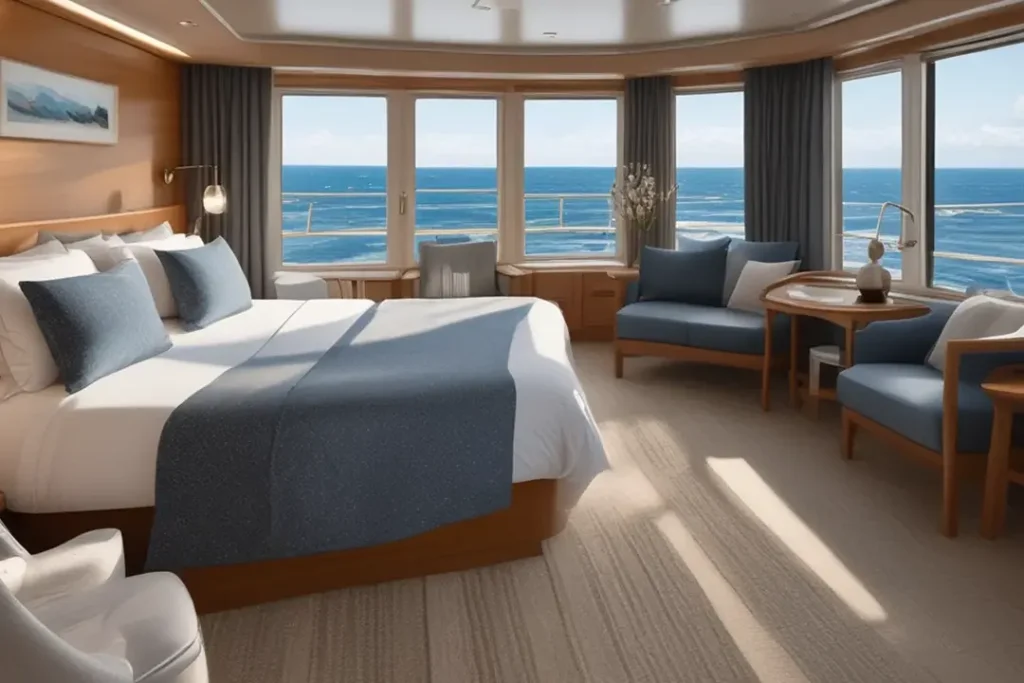
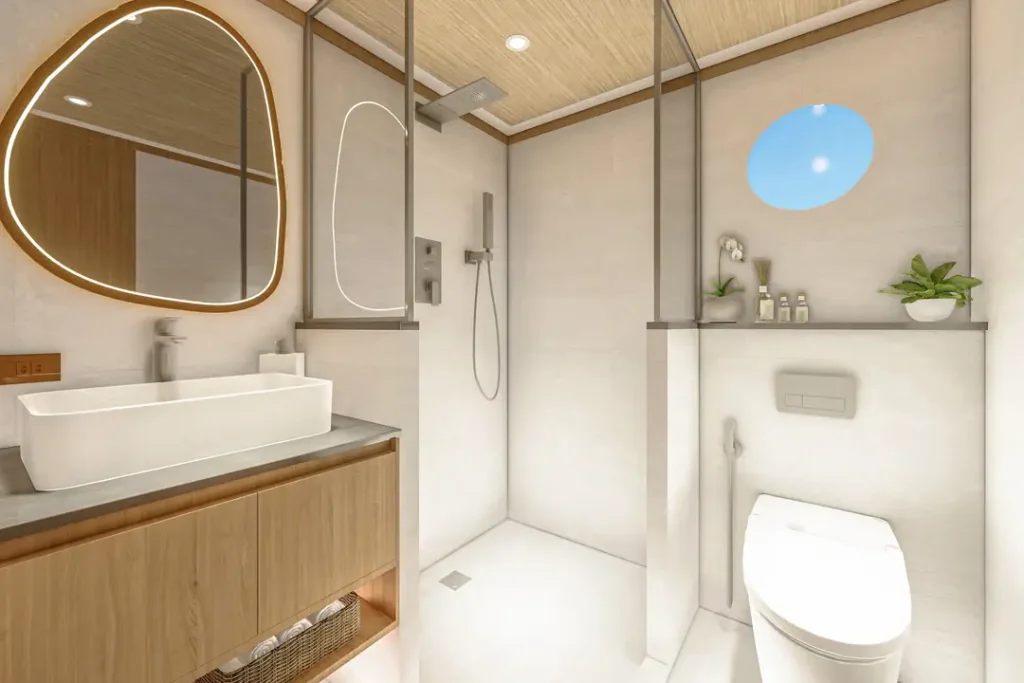
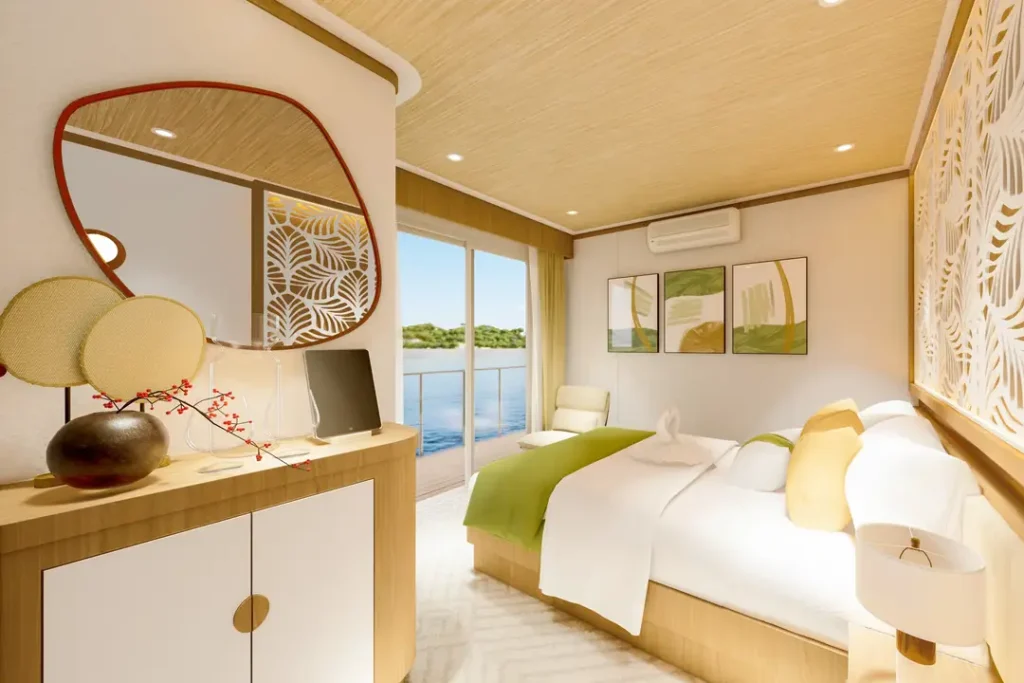
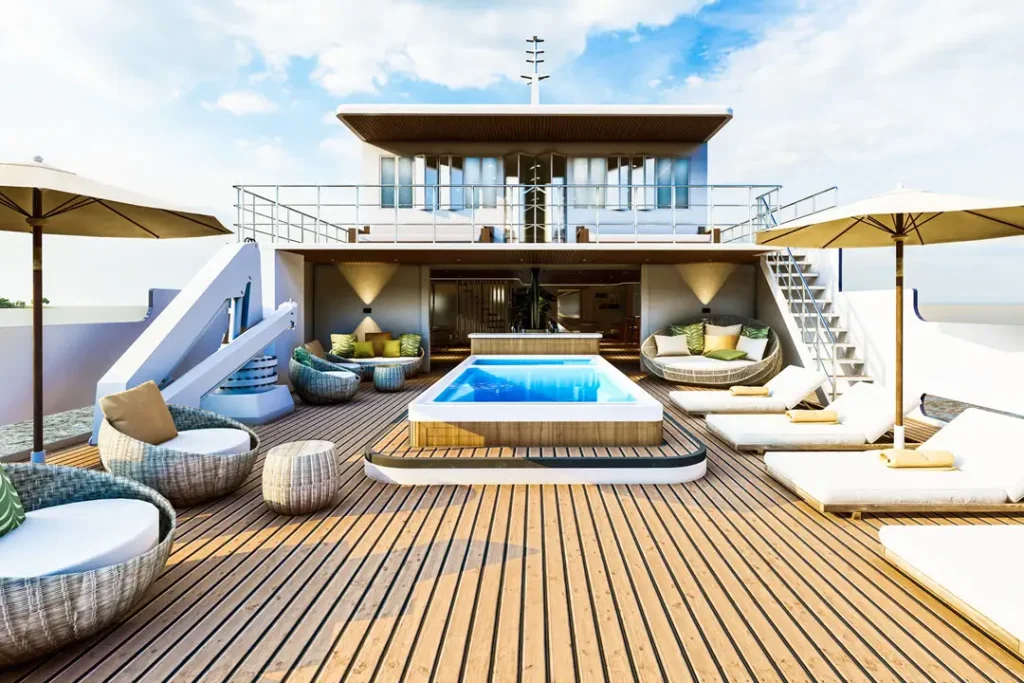
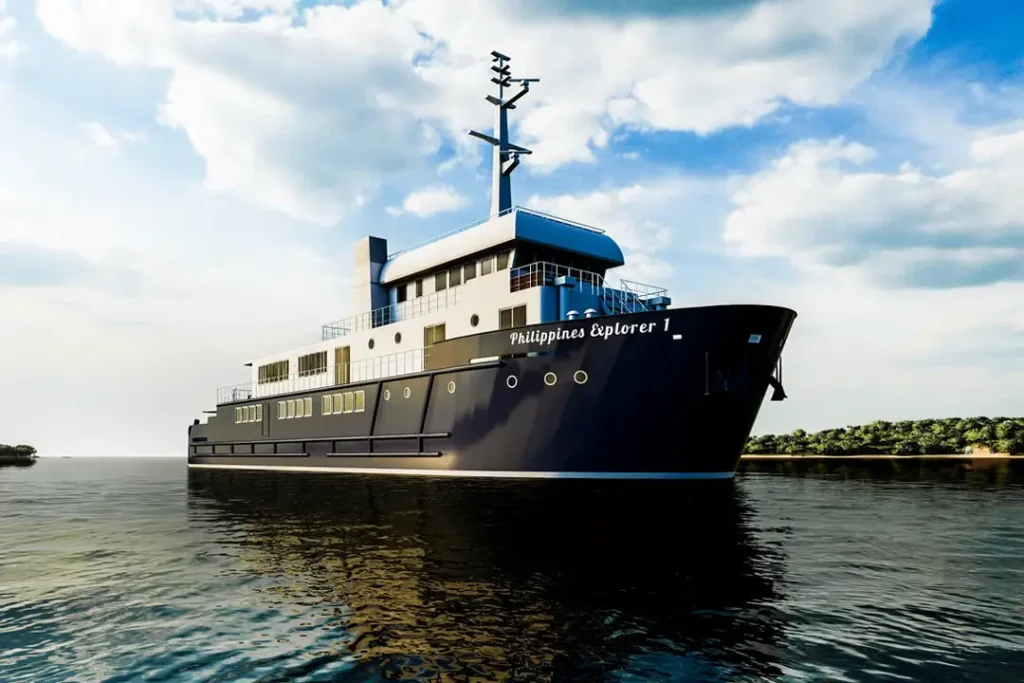
A Vessel Designed to Compete — Not Just Operate
Based on the early details from Philippines Explorer, the positioning is clear long before the vessel hits the water. This is not about entering the market… it’s about entering at the top end of it.
Rather than chasing capacity, the concept leans into space, flow, and overall experience. The design choices reflect that thinking: fewer guests, more room per diver, and a layout that prioritizes ease rather than density. It’s the kind of approach that tends to show up in operations that are built with long-term brand value in mind, rather than short-term occupancy targets.
There are a few structural signals worth noting here, not as a checklist, but as indicators of intent:
- Guest capacity appears intentionally limited, suggesting a focus on exclusivity rather than volume
- Cabin design leans toward comfort and usable space, not just sleeping arrangements
- The dive deck layout appears structured around efficiency and reduced congestion
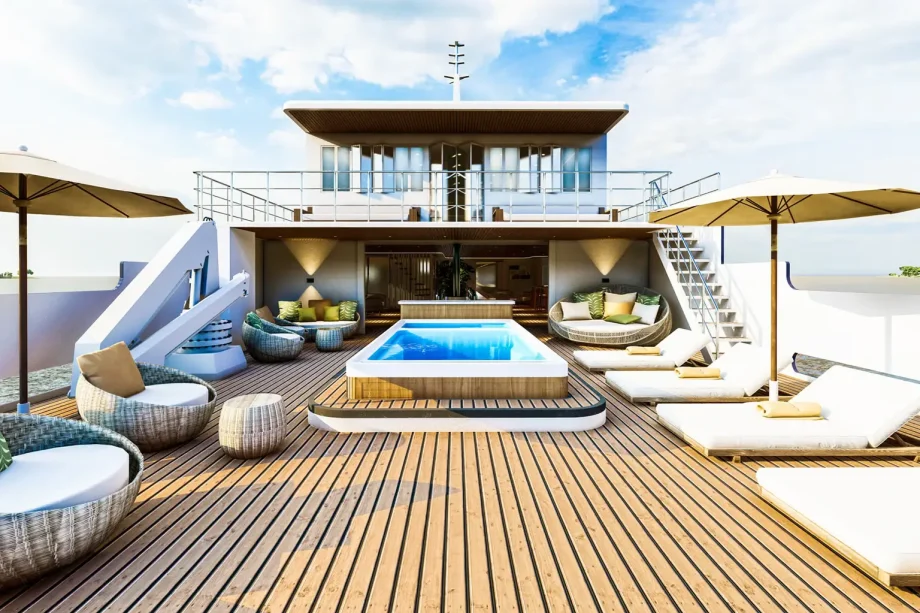
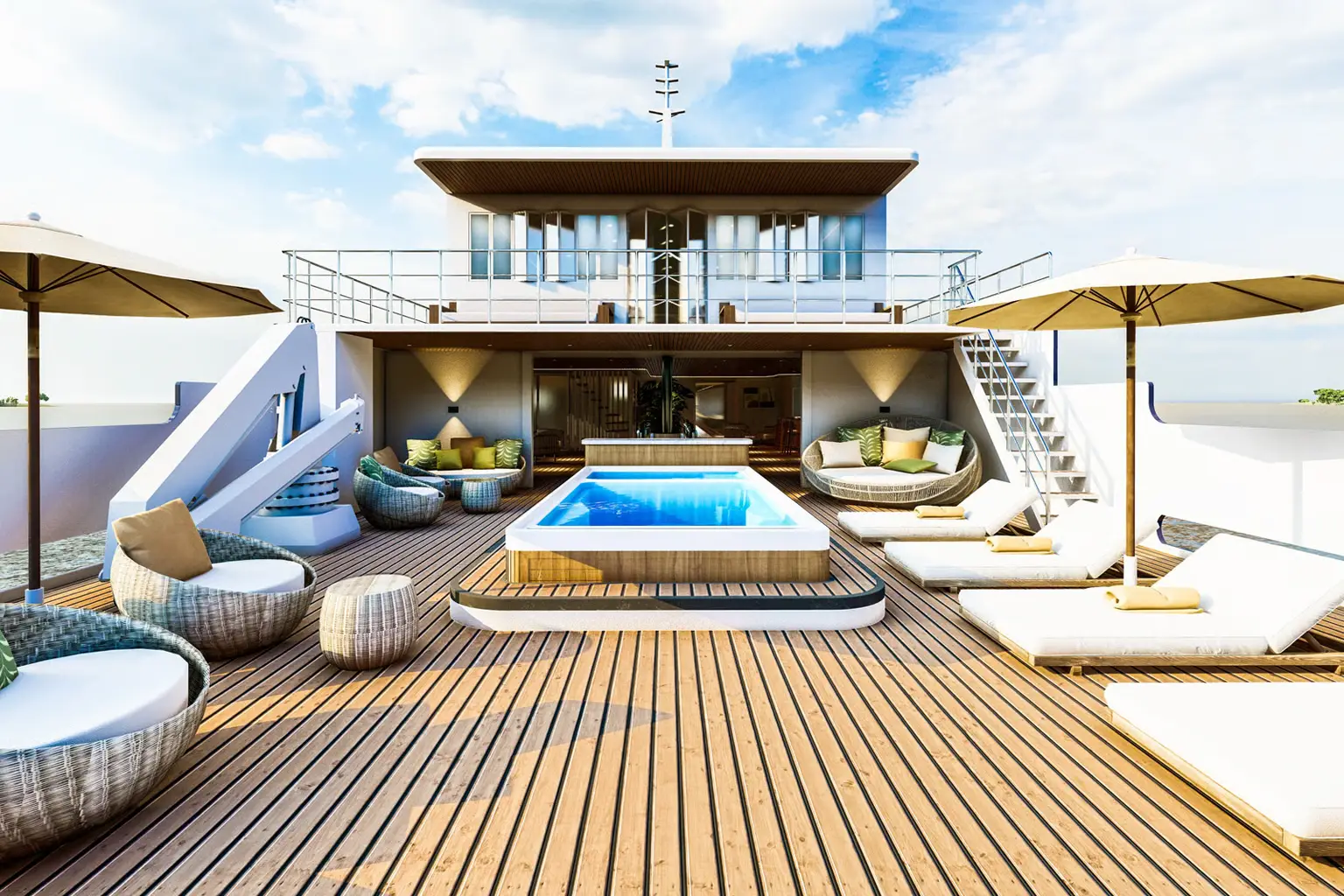
- Social and relaxation areas are designed to feel closer to a yacht environment than a traditional dive platform
Individually, none of this is revolutionary. Taken together, it points in a very specific direction: this is a premium product being built from the ground up, not a standard vessel with upgraded finishes.
The Philippines Angle: Underserved, Not Undervalued
The interesting part isn’t just the boat. It’s the choice of location.
The Philippines has never lacked credibility as a dive destination. From a biodiversity perspective, it consistently ranks among the strongest globally. Macro life, reef systems, and site diversity are not the issue. Visibility in the premium liveaboard segment is.
For years, that segment has been dominated by destinations like Indonesia and the Maldives, not necessarily because they offer better diving across the board, but because they have been more effectively positioned, packaged, and scaled.
Philippines Explorer steps directly into that gap.
And the 2027 timeline matters more than it might seem at first glance. It allows time not just for construction, but for narrative building – partnerships, agent alignment, early demand creation. In other words, the market positioning can be developed in parallel with the vessel itself.
That’s rarely accidental.
Pressure Without Presence
Here’s where it gets interesting.
Even without a finished vessel, projects like this tend to shift perception early. And in a relatively tight market like the Philippines, perception travels quickly.
It’s not simply the aesthetics or the promise of a new build that creates pressure. It’s the combination of product and operator.
And Frank brings more than experience. He brings access. Long-standing relationships with agents, repeat guests who have followed his previous brands across destinations, and a level of trust that reduces the friction typically associated with a new entrant.
That kind of built-in momentum is difficult to counter, especially for operators who are already competing in the same price segment.
So yes, while nobody is panicking over a boat that launches in 2027, it would be surprising if more than a few operators weren’t quietly reassessing their own positioning.
A Pattern Worth Watching
There’s a broader question sitting underneath all of this: is Philippines Explorer a standalone project, or the first step in something larger?
Given Frank Van der Linde’s history, expansion has never been an afterthought. Both Siren Fleet and Master Liveaboards followed a similar trajectory… start focused, refine the model, then scale with intent.
Whether that happens again remains to be seen. But the structure of this project doesn’t feel like a one-off experiment.
What It Means for Divers
From a diver’s perspective, developments like this tend to have a predictable outcome, and it’s usually a positive one.
When a high-end operator enters a market with a clear premium focus, the ripple effect tends to show up quickly. Standards rise, differentiation becomes more important, and the overall experience improves across the board.
That doesn’t happen overnight. But it does happen.
And for a destination like the Philippines, which arguably deserves stronger representation at the top end of the market, that shift feels overdue.
From the SDM Team
We’ve seen enough launches to know that not every announcement translates into impact. This one has the ingredients to do exactly that.
So from all of us at SDM, we wish Frank and the team behind Philippines Explorer every success on the road to 2027. The industry will be watching — and so will we.
The vessel is scheduled for a 2027 launch, with planning and market positioning already underway well in advance.
The project is led by Frank Van der Linde, known for building global liveaboard brands such as Worldwide, Dive and Sail, Siren Fleet and Master Liveaboards.
Based on current information, it is being developed as a premium, boutique liveaboard, focusing on space, comfort, and overall guest experience rather than high capacity.
It signals a potential shift toward stronger representation in the high-end liveaboard segment, where the Philippines has historically been under-positioned despite its strong diving credentials.
It’s likely to increase competitive pressure in the premium segment, particularly due to the combination of product quality and the operator’s established industry network.